In 2026, the shift toward more ethical, transparent, and regenerative footwear design is more than a trend: it’s a necessity.
Let’s take a look at the key sustainability trends shaping the future of shoes, from how they’re made to how they’re worn (and re-worn).
Bio-Based Materials Go Mainstream
In 2026, leather isn’t out, but it's being radically redefined.
Brands are moving beyond traditional leather alternatives like PVC or PU and embracing bio-based innovations like:
Mushroom leather (mycelium) — used by brands like Stella McCartney and Bolt Threads
Grape leather — made from wine industry waste (used by MoEa)
Pineapple fibres (Piñatex) and cactus leather
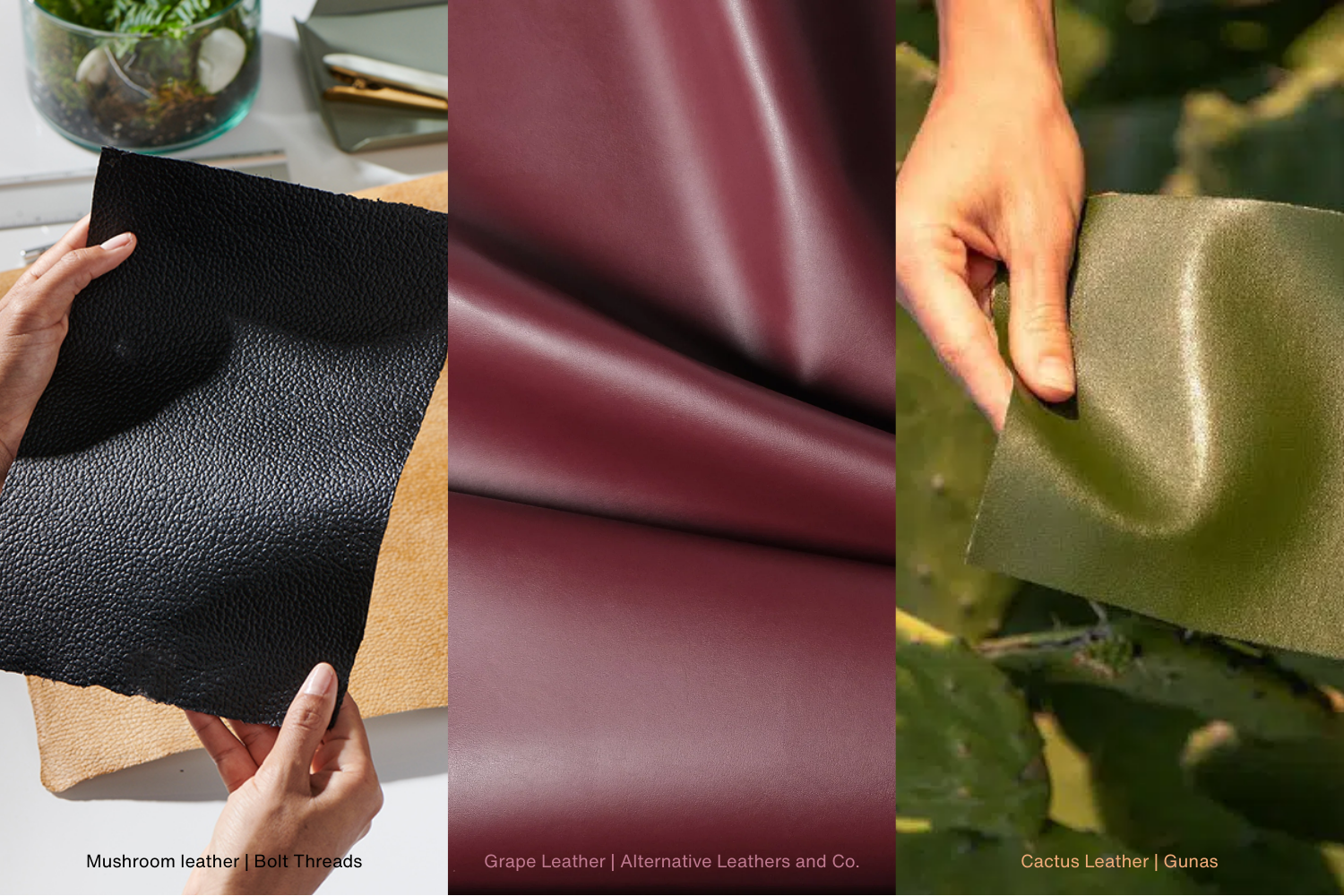
These materials not only avoid animal products but also use agricultural waste, reducing the need for virgin resources.
Why it matters: These plant-based leathers offer similar durability and texture without the environmental toll of animal agriculture or petroleum-derived plastics.
Circular Design is No Longer a Niche
The days of “make, wear, trash” are being replaced by closed-loop systems.
Forward-thinking footwear brands are now designing shoes that can be:
Dismantled and recycled (like Thousand Fell’s fully recyclable sneakers)
Returned and remade into new products (e.g. Timberloop by Timberland)
Composted, if made from 100% natural material
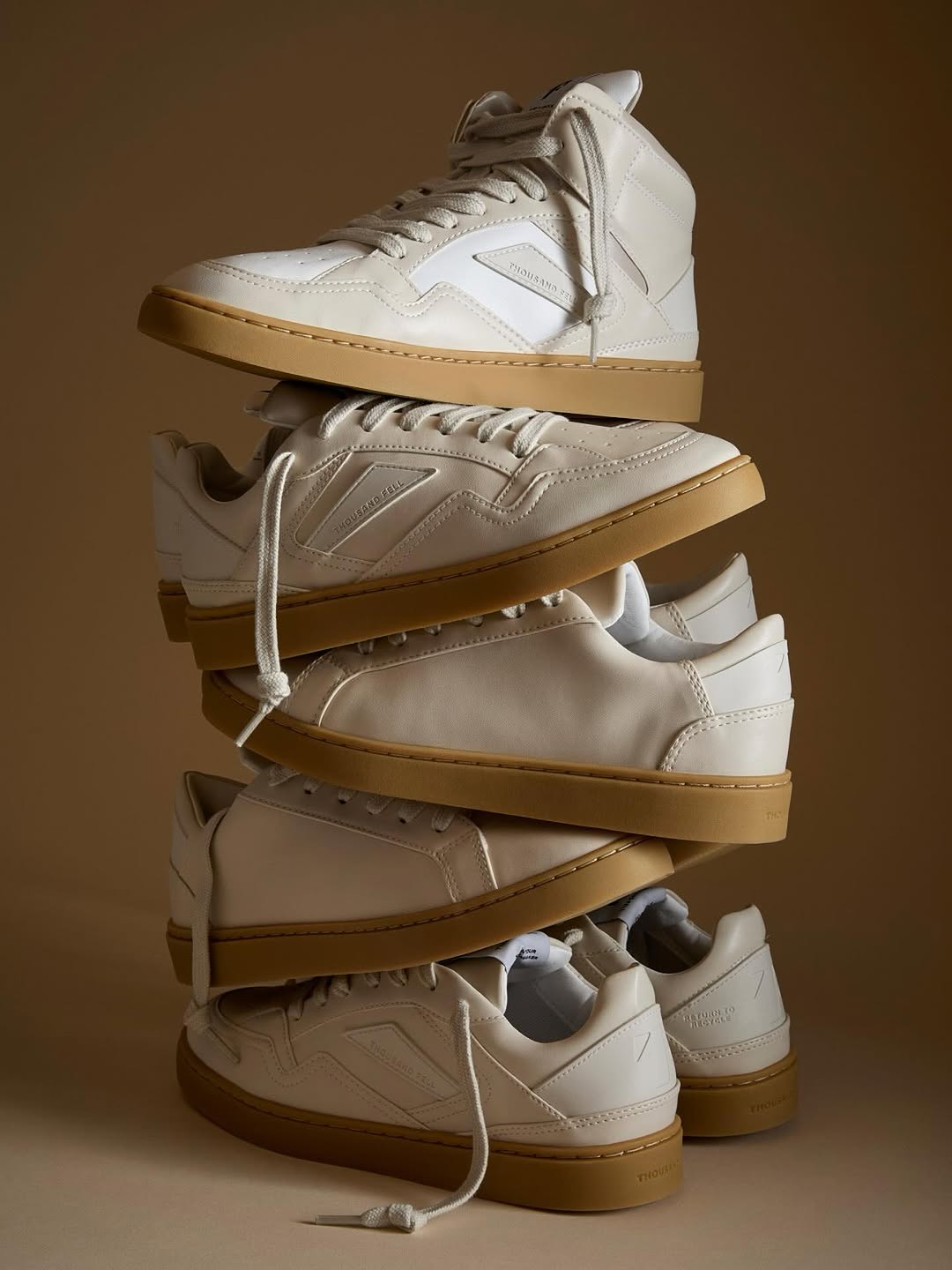
Source: @thousand_fell
Designing with the end in mind, whether that’s repairability, resale, or full recyclability, is becoming an industry standard, not a novelty.
Pre-Loved Platforms Take Centre Stage
In 2026, secondhand shoes are no longer just a thrifty side option: they’re a stylish and sustainable norm.
Platforms like:
Brand-owned resale shops (e.g. Patagonia Worn Wear, Veja repair and resale, Nike Refurbished)
are helping keep shoes in circulation longer, reducing demand for virgin production.
Bonus: Peer-to-peer resale encourages transparency and personal storytelling: your shoes aren’t just items, they have a history.
Transparent Supply Chains Powered by Tech
As consumers demand to know where and how their shoes are made, brands are turning to technology for transparency.
Innovations include:
Blockchain-based supply chains for full traceability
QR codes on tags linking to the material origin and labour conditions
AI-generated impact scores showing water, energy, and emissions per shoe
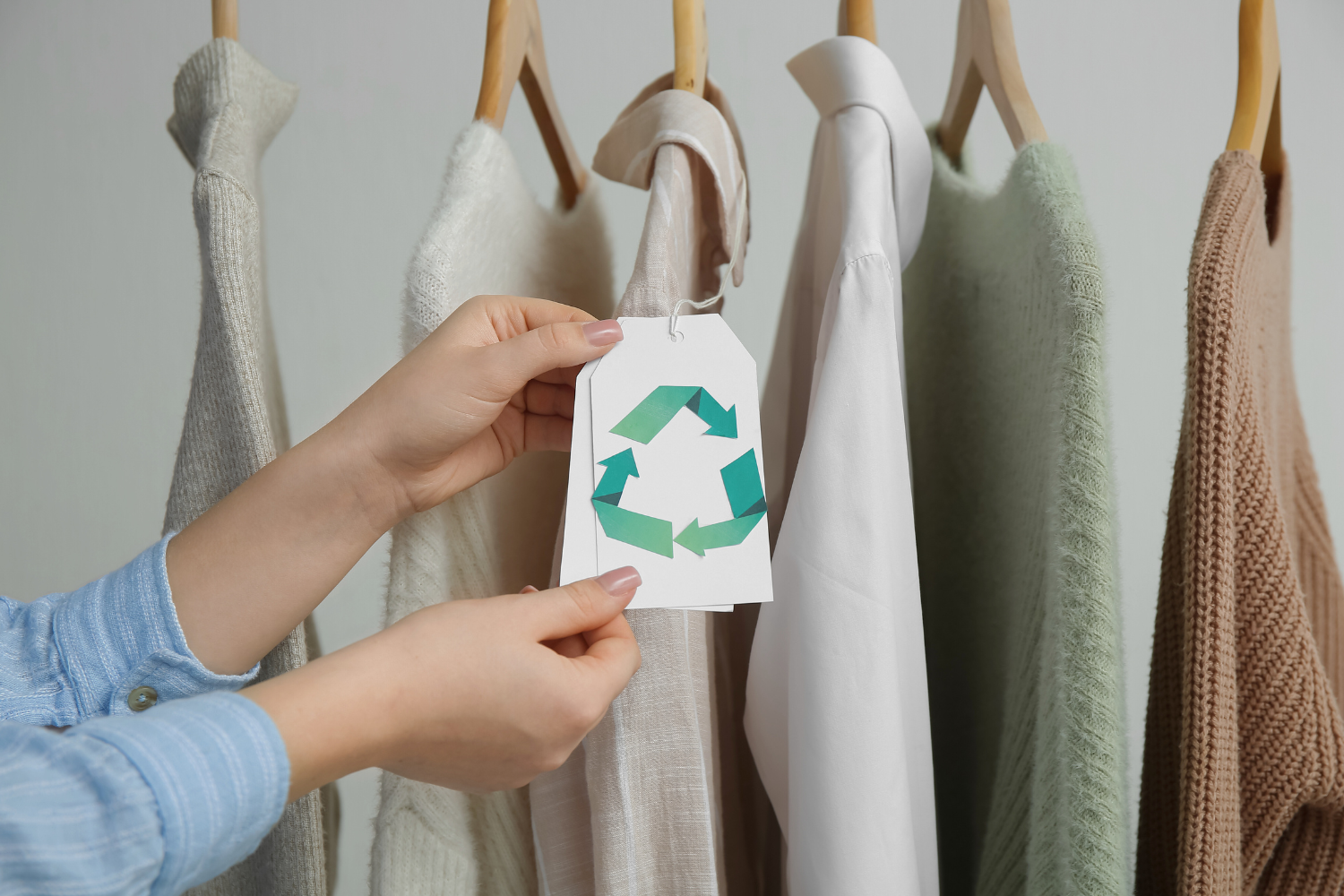
Consumers in 2026 don’t just want a “green” label — they want proof.
Durable Design as a Core Value
More brands are recognising that sustainability starts with durability. In 2026, the best sustainable shoes are the ones you don’t need to replace for years.
We’re seeing:
Reinforced soles
Timeless aesthetics
Multi-functional designs (hybrid hiking/street sneakers)
Lifetime repair or warranty programs
Look out for brands emphasising “buy once, wear forever”. It’s better for the planet and your wallet.
Rethinking Sneaker Culture: From Flex to Function
2026 is also the year we see a deeper cultural shift. The rise of “quiet luxury” and minimalist fashion has reached sneaker culture.
Instead of chasing limited drops and logo-heavy collabs, people are choosing:
Low-key, versatile designs
Ethical brands over hype brands
Shoe care, restoration, and personalisation
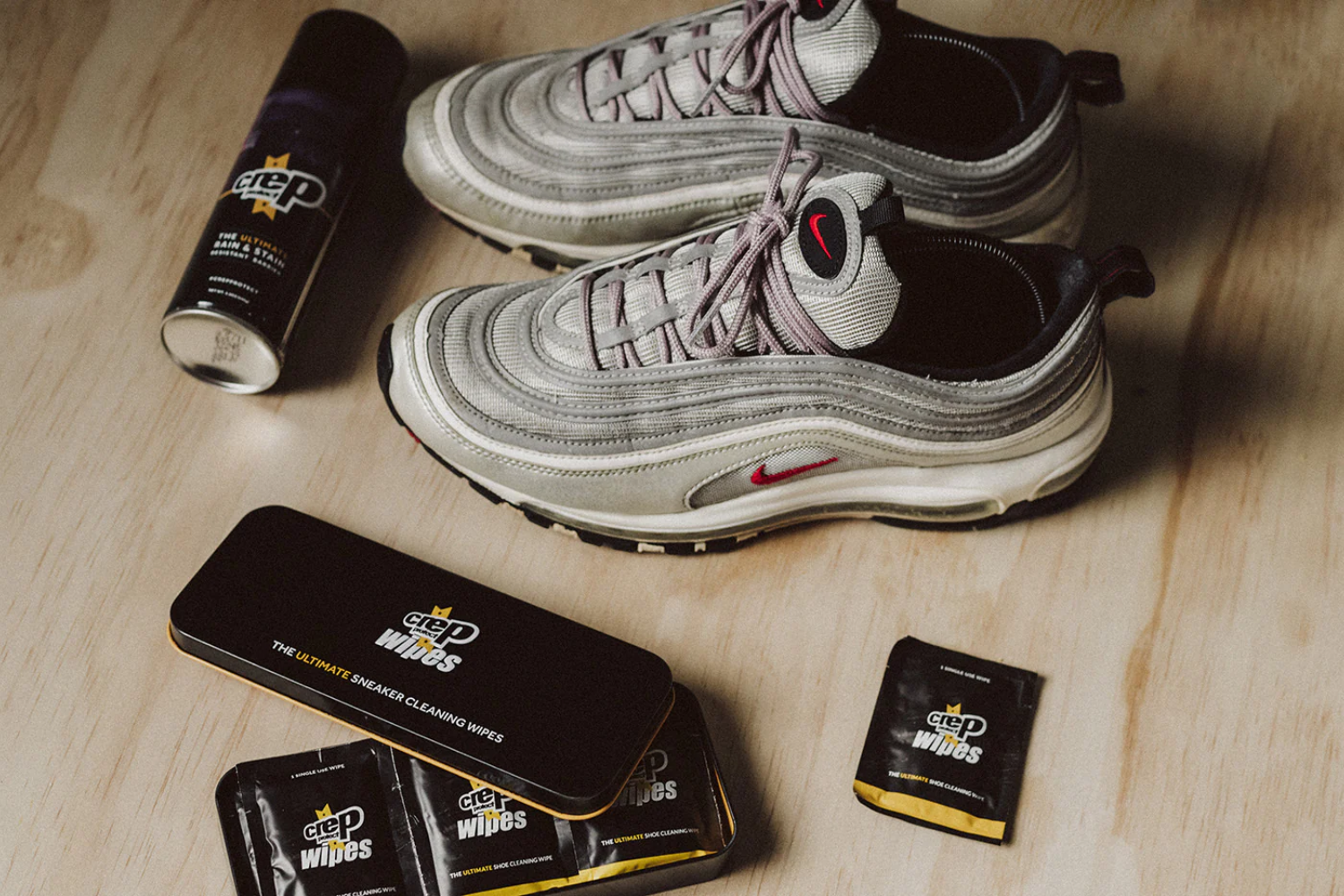
Source: JD Sports
Resole is the new resale. Repair is finally cool, and creators are making DIY shoe care content go viral.
From Offsetting to Regenerating
2026 marks a shift away from just offsetting carbon footprints toward regenerative systems.
Key examples include:
Sourcing from regenerative farms that improve soil health
Using algae-based midsoles that absorb carbon
Brands investing in ecosystem restoration, not just “net zero” certificates
🌍 It’s not enough to “do less harm.” The next generation of footwear aims to actively do good.
What This Means for You
If you’re a consumer, this is great news. Sustainable options in footwear are more accessible, diverse, and genuinely innovative than ever.
What you can do in 2026:
Buy fewer, better shoes
Choose brands that publish full transparency
Embrace pre-loved and refurbished options
Take care of the shoes you already own
Support materials that regenerate, not just replace
Final Thought
Sustainable footwear in 2026 isn’t about doing everything perfectly; it’s about moving with purpose, one step at a time. Whether you're shopping new, secondhand, or simply not shopping at all, your choices shape what the future of fashion looks like.
And if that future involves better shoes, better stories, and a better planet?
That’s a trend we can all walk behind.
Do bio-based leathers last as long as real leather?
Some do, some don’t. Mycelium and cactus leather are known for decent durability, but many alternatives are still in early development and may wear faster than traditional leather.
What’s the most sustainable way to care for sneakers?
Clean them regularly, avoid harsh chemicals, air-dry instead of using heat, and repair small issues early. Proper care can extend a sneaker’s lifespan by months or even years.