
Patagonia is often described as “the most responsible brand in fashion.” It’s a powerful reputation, and one that deserves closer inspection. Sustainability in fashion isn’t about good intentions or clever marketing. It’s about systems: how products are made, who makes them, how long they last, and what happens when they’re no longer wanted. Impact and transparency are not slogans. They are practices.
Patagonia stands out not because it claims perfection, but because it shows its work.
What “Impact” Really Means in Fashion
In a conventional fashion model, impact is hidden. Supply chains stretch across continents, materials become abstract, and wages, emissions, and waste rarely make it into the story. Yet real impact is shaped by all of these layers at once: environmental footprint, labour conditions, material sourcing, animal welfare, product lifespan, and end-of-life options.
Transparency means letting customers see these layers, even when they are messy. Most brands show the highlights. Patagonia shows the process.
What Patagonia Actually Does Differently
One of the clearest examples is its Footprint Chronicles, which map where and how products are made, from factories to farms to mills. These pages include audits, country risks, and progress notes. It is not a polished narrative. It is a working one. By making production traceable, Patagonia turns the supply chain from an abstraction into something concrete and legible.
The same philosophy applies to what happens after purchase. Patagonia does not treat repair as a side service or a marketing moment. Through its Worn Wear initiative, repair becomes infrastructure. Customers are encouraged to fix their clothing, learn how to mend it themselves, or buy used items that have been restored. The message is structural: a jacket is not disposable. It is meant to stay in use. In a culture built around “new,” this reframes what value looks like.
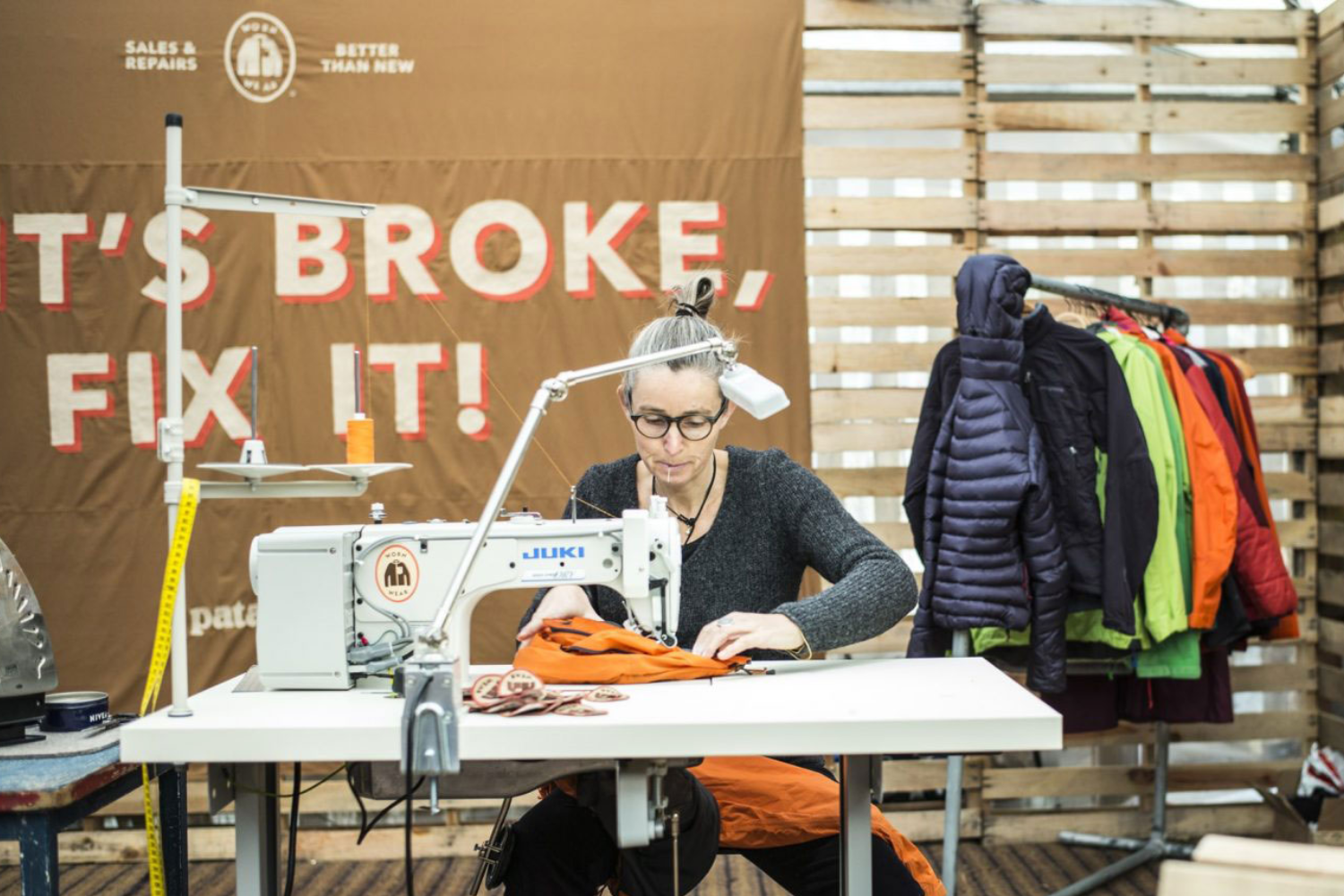
Image Source: Gearist
Materials follow the same logic. Patagonia invests heavily in recycled fibres, organic cotton, and traceable animal materials, and it explains why each choice is made. It also explains the trade-offs. Recycled synthetics still shed microfibers. Organic cotton still requires land and water. Sustainability here is not presented as purity, but as accountability. The brand does not promise harmlessness. It documents impact.
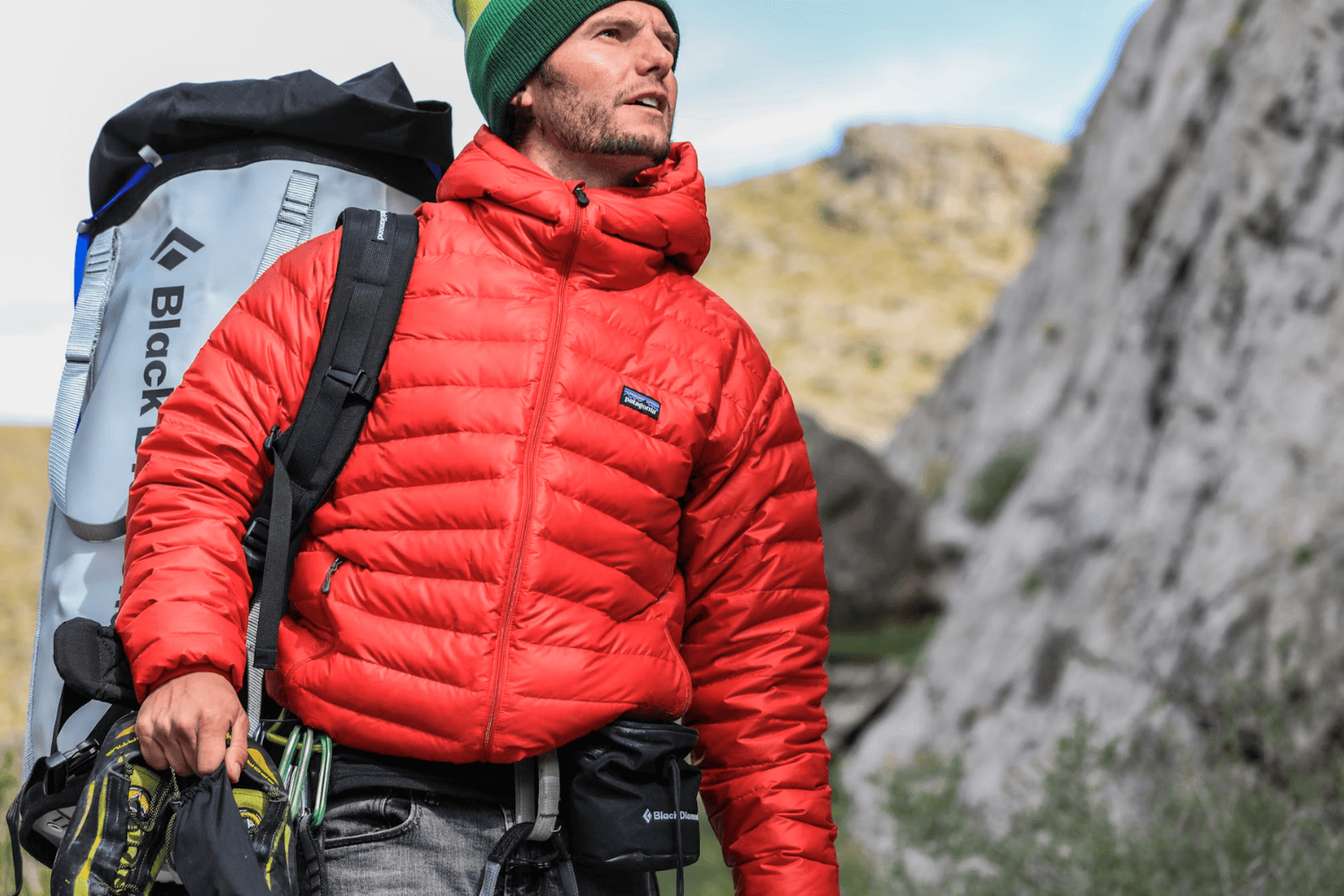
That mindset became globally visible in 2011, when Patagonia ran its now-famous “Don’t Buy This Jacket” ad. Released on Black Friday, it urged people not to purchase unless they genuinely needed the product. It was not anti-commerce. It was anti-overconsumption. Patagonia positions itself as a tool, not a trend. That philosophy shows up in design through timeless silhouettes, neutral palettes, and durable construction. These are clothes meant to age.
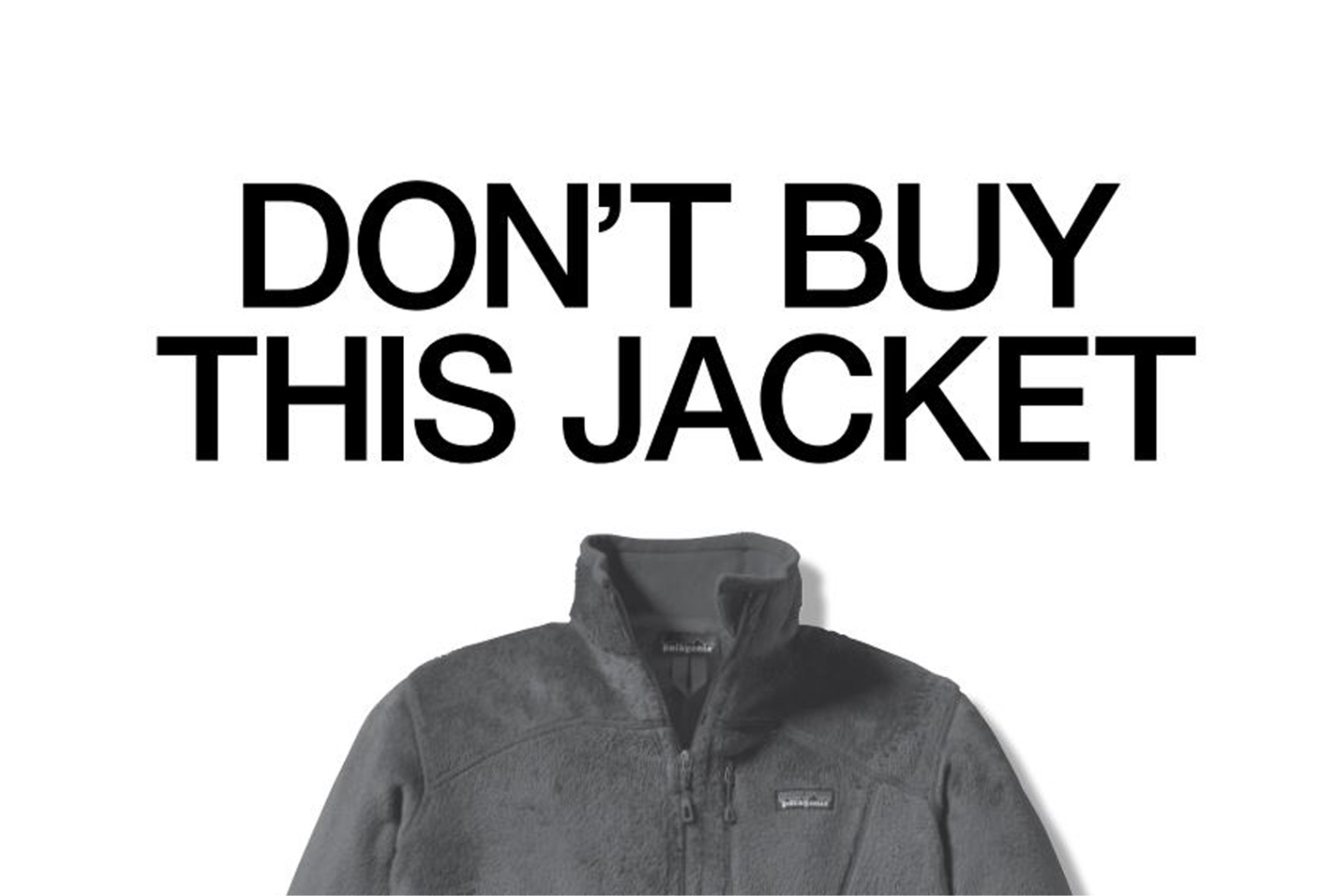
Image Source: Patagonia EU
Where Patagonia Isn’t Perfect
Of course, Patagonia is not impact-free. No brand operating at a global scale is. It still produces new goods. It still relies on petroleum-based fibres. Its prices create barriers to access. Growth remains in tension with ecological limits.
What makes Patagonia different is that it names these problems. It does not pretend that “better” means “harmless.”
That distinction matters.
What You Can Learn From Patagonia
Patagonia is useful not as a brand to idolise, but as a reference point. The same questions it raises can be applied to any label. Can you see where a product was made? Does the brand explain its materials honestly? Is repair part of the system or an afterthought? Are limitations acknowledged? Does the product feel designed to last?
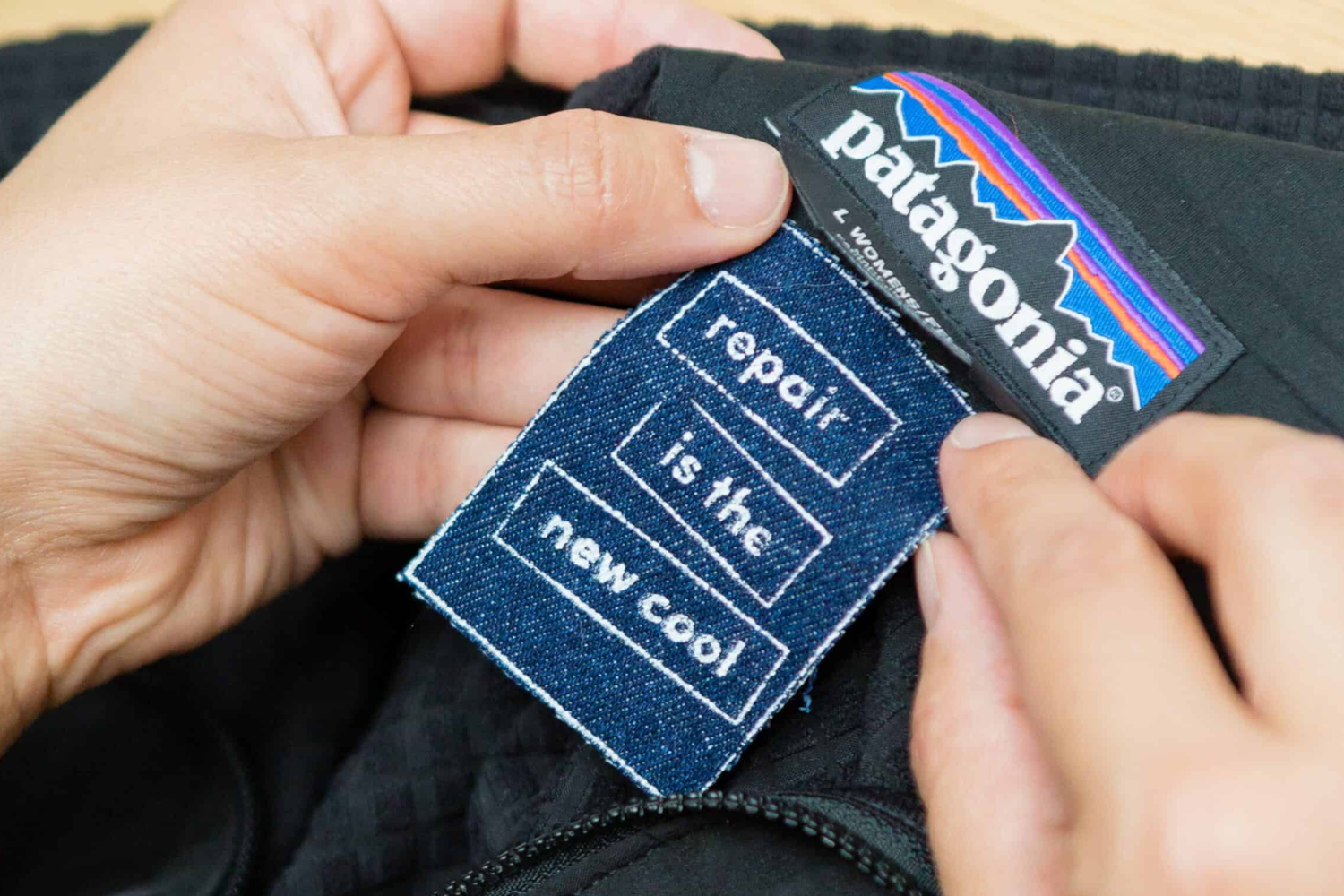
Image Source: Internet Retailing
Impact is not a logo. It is a pattern of decisions. Transparency is not a page on a website. It is a posture.
The Takeaway
Patagonia leads because it treats responsibility as infrastructure rather than aesthetics. It shows that sustainable fashion is not about being perfect. It is about building systems that make care visible and measurable.
In an industry built on speed and silence, that alone is radical.
Is Patagonia really sustainable?
Patagonia is not impact-free, but it is among the most transparent and systems-driven brands in fashion. It documents its supply chain, invests in repair, and openly discusses its limits.
Why is transparency important in fashion?
Because most environmental and labor harm happens out of sight. Transparency allows consumers to evaluate real practices instead of marketing claims.
What is Patagonia’s Worn Wear program?
A repair and resale initiative that keeps clothing in use longer through repairs, secondhand sales, and DIY resources.
.png&w=3840&q=75)