
Sustainable shopping doesn’t have to be overwhelming, and it doesn’t mean giving up everything you love. If you're just starting out on your journey to more conscious consumption, the good news is that even small changes can make a real impact. This guide walks you through practical, easy-to-implement steps that help you shop more mindfully, waste less, and support better practices in fashion and beyond.
So let's start from the basics.
Pause Before You Buy
Impulse shopping is one of the biggest hurdles to sustainable habits. Start by asking yourself:
Do I really need this?
Will I wear or use this long-term?
Do I already own something similar?
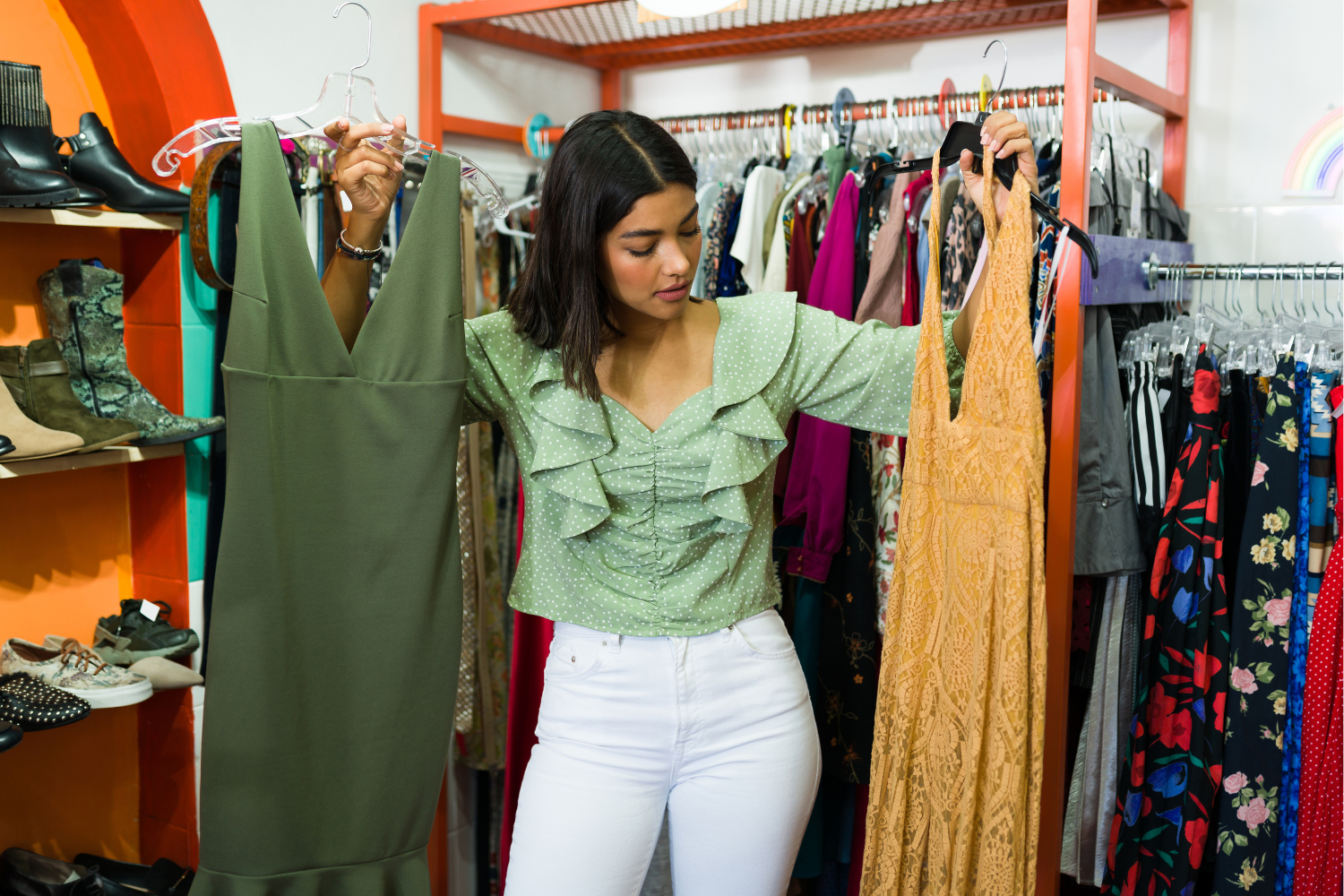
What can be very helpful is to create a list of things you want to get, and wait 2-3 weeks, then look at them again and see if you still really like or need them. Simple as that. Just make sure that every new item is greatly needed and will be used for a while.
Learn the Basics of Sustainable Materials
Understanding what materials are eco-friendlier can help you make better decisions quickly. It might appear complicated, but practice and patience will get you there in no time! Look for:
Organic cotton – less water, no pesticides.
TENCEL™ or Lyocell – made from sustainably sourced wood pulp.
Recycled fabrics – reduce landfill waste and emissions.
Natural rubber, cork, or hemp – renewable, biodegradable options.
Many brands now list fabric info online, making it easier to check before buying. So five extra minutes researching can make a very big difference in the future.
Check for the Certifications
Certifications help you identify products made with verified ethical or environmental standards. These include:
GOTS (Global Organic Textile Standard)
Fair Trade Certified
Bluesign®
B Corp
OEKO-TEX®
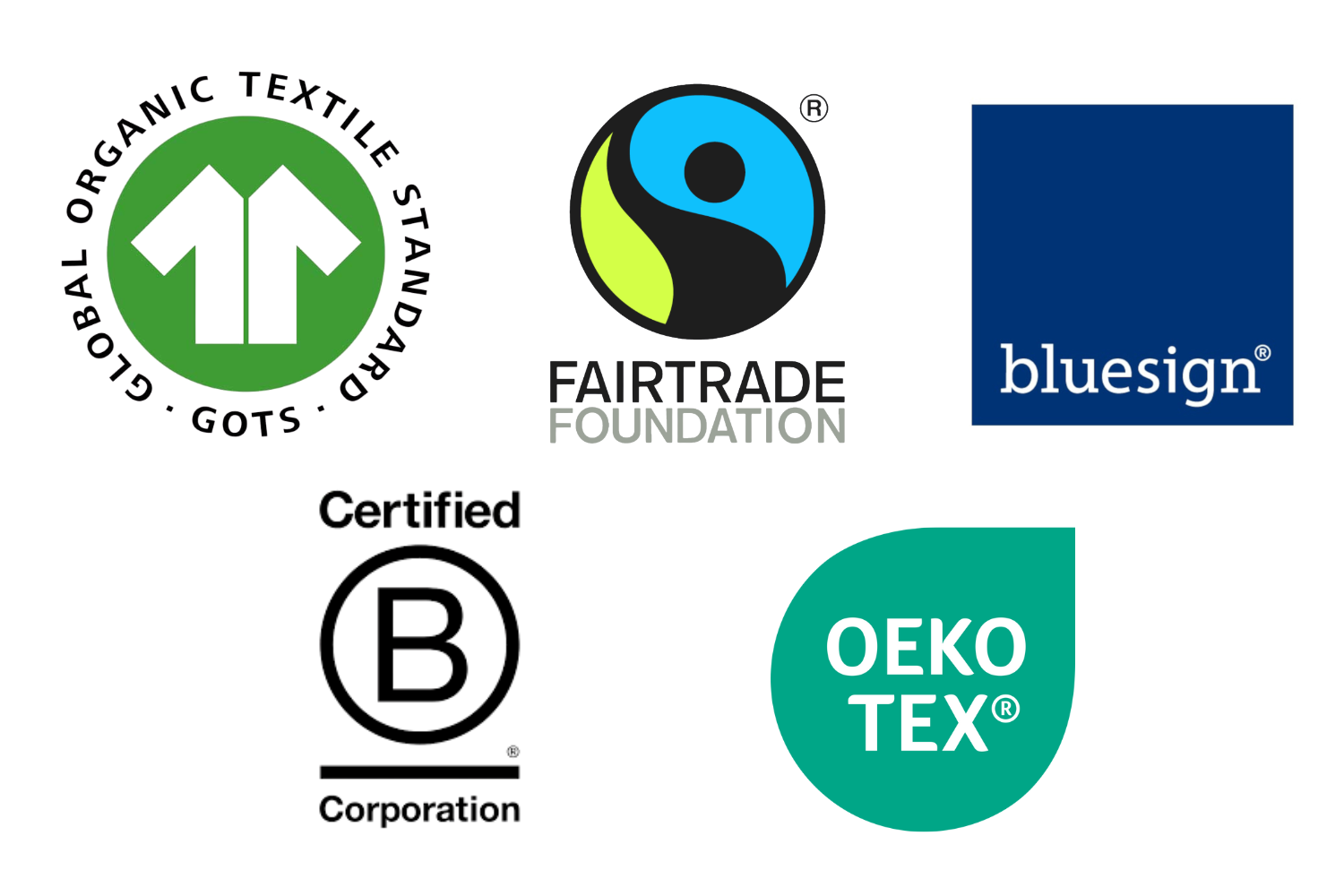
While no system is perfect, certifications are a good shortcut to spot better practices. So if you see one of these, it's a big advantage to the purchase (but still keep in mind step one: think before you buy).
Buy Less, Choose Better
Simple is that. Instead of buying five trend-driven pieces, invest in one high-quality item that lasts. Look for durability in seams, fabric, and fit. Sustainable fashion is not about minimalism; it’s about intentionalism.
Shop Secondhand
Platforms like Vinted, Vestiaire Collective, Vinted, or local thrift shops offer amazing options with a lighter footprint. Preloved clothing and shoes extend a product's life and cut down on demand for new production, which is where most environmental harm happens.
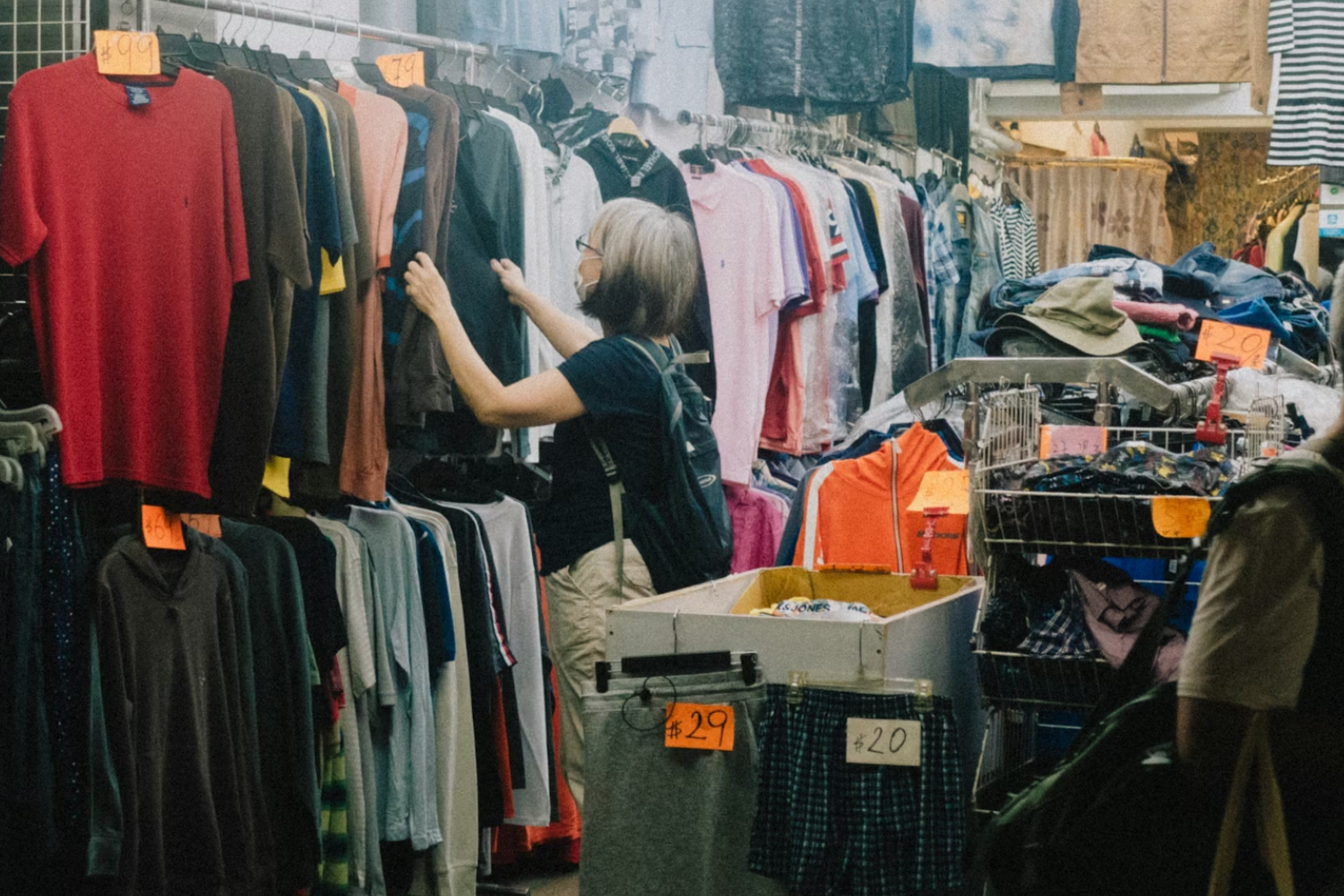
Yes. It will take a bit longer to find something that you love; sometimes it takes more energy, it's not as easy as normal shopping, but it will pay off. Secondhands have unique items that you wouldn't be able to buy otherwise, and it's a great opportunity to create your own special style.
Support Transparent Brands
If a brand openly shares where their materials come from, who makes their products, and how they’re working to reduce impact, that’s a strong sign. Transparency builds trust and pushes the whole industry forward.
Tip: If you can’t find clear info about sustainability or labour practices, that usually says a lot.
Consider the End of Life
Ask yourself: can this product be recycled, resold, repaired, or composted? The less waste you send to the landfill, the better.

Opt for:
Natural materials (they biodegrade)
Easily recyclable packaging
Brands offering take-back or repair programs
Think about it before time comes, and make sure that you know what to do with the item once it no longer serves you.
Sustainable Shopping is the Skill You Build
Don’t stress about being perfect. No one gets it 100% right — what matters is making more thoughtful choices over time. The more you learn, the easier it becomes to identify greenwashing, support ethical businesses, and feel confident about your purchasing decisions.
What does it mean to shop sustainably?
Shopping sustainably means making purchasing choices that minimize environmental impact and support ethical labor practices. This includes buying less, choosing quality over quantity, opting for better materials, and supporting transparent brands.
What are the most sustainable fabrics?
Some of the top eco-friendly fabrics include organic cotton, TENCEL™, hemp, linen, and recycled materials like rPET or recycled wool.
Is sustainable shopping expensive?
It can be at first glance, but buying fewer, higher-quality items that last longer can save money over time. Secondhand and vintage options also make it accessible on a budget.
.png&w=3840&q=75)



.png&w=3840&q=75)

.png&w=3840&q=75)