.png&w=3840&q=100)

The question that we all asked sooner or later: Why do we pay more for being sustainable? It's not always the case, but very often, planet-friendly products will have not-so-budget-friendly prices. The higher price isn’t about greenwashing, it’s about doing things right. Let’s break down where that cost really comes from, and why it’s often worth every cent.
Ethical Labour Practices
One of the largest contributors to the higher price of sustainable shoes is ethical labour practices. Many brands that prioritise sustainability ensure that the people behind their products are paid fairly, work in safe conditions, and have access to benefits that traditional fast-fashion brands may not provide.
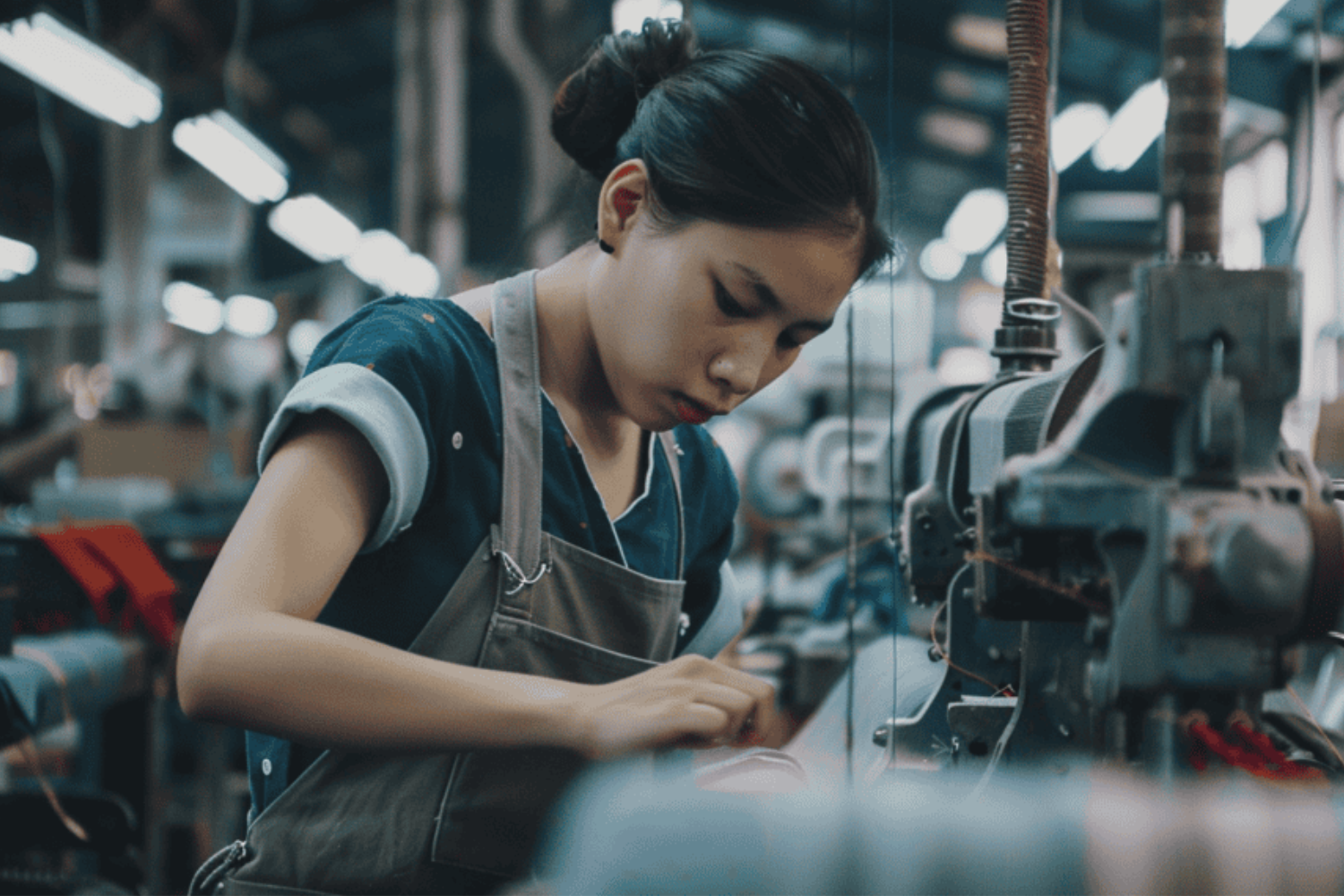
Image Source: Planet Pristine
Real-life Example:
For instance, VEJA, one of the leading sustainable sneaker brands, works directly with cooperatives in Brazil for rubber production. They ensure that the local farmers earn fair wages and work in safe conditions, which is a step up from the exploitative practices seen in large-scale fast fashion. By paying these workers fairly and cutting out middlemen, the brand ensures that the true cost of labour is reflected in the price of the shoe.
Why does it cost more?
Fair wages and safe conditions require investment.
Direct partnerships with small manufacturers or cooperatives usually mean higher unit costs compared to mass production.
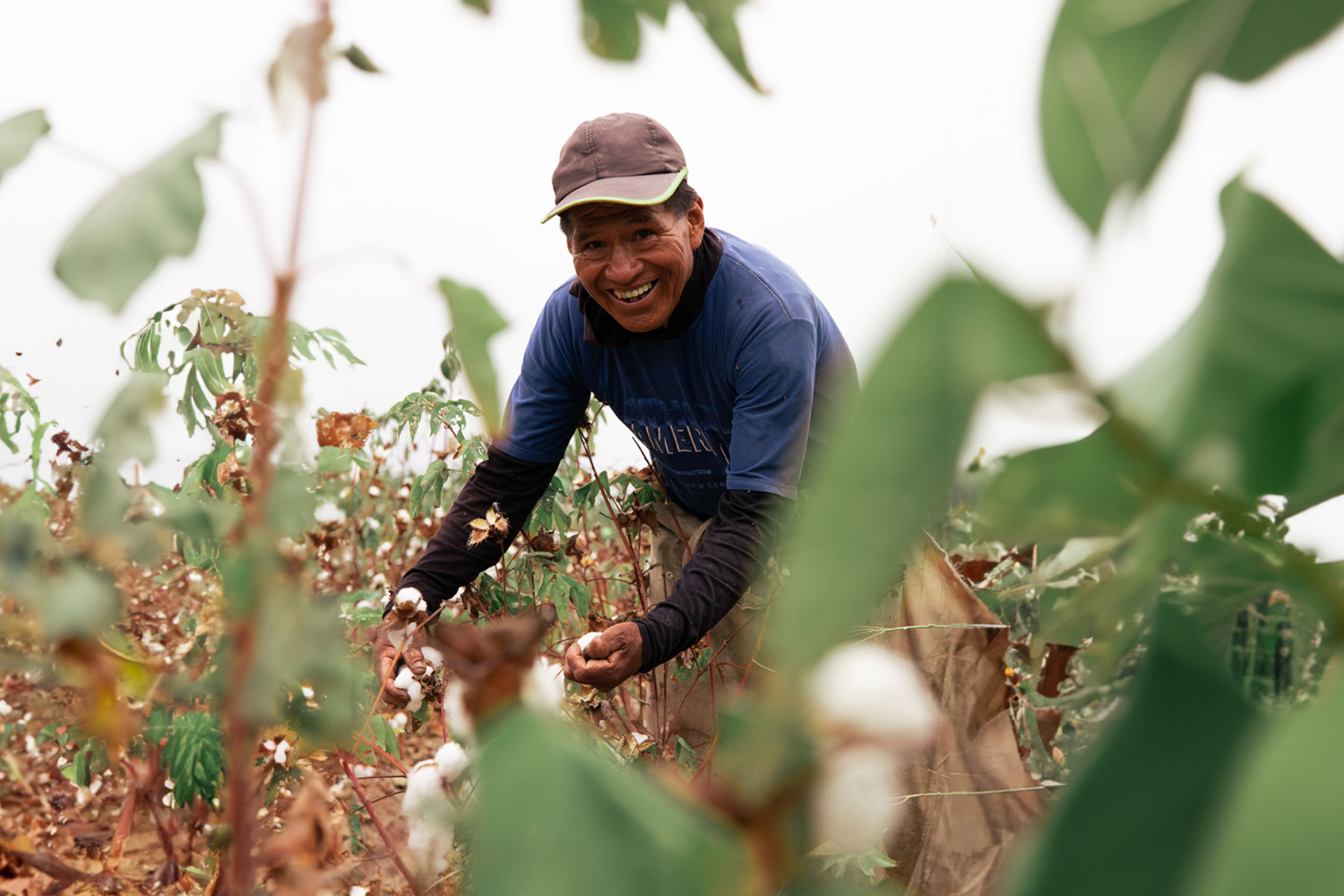
Image Source: VEJA
There is no fixed percentage increase tied to ethical labour practices. Costs vary depending on country, factory size, and local wage standards. What is consistent, however, is that paying fair or living wages, ensuring safe working conditions, and maintaining long-term factory partnerships costs more than relying on minimum-wage, high-turnover labour models.
High Quality, Low-Impact Materials
Sustainable shoes tend to use higher quality materials that are sourced responsibly — materials that are often better for the environment and the people involved in producing them.
Organic cotton (instead of conventional cotton) uses 90% less water and avoids harmful pesticides and fertilisers.
Recycled plastic from bottles or fishing nets has a significantly lower carbon footprint than virgin plastic.
Natural rubber, sourced responsibly, is biodegradable and harvested in a way that doesn’t lead to deforestation, unlike conventional rubber production.
Real-life Example:
Allbirds is known for its use of Merino wool and sugarcane-based soles. These are high-quality, renewable materials. In fact, Merino wool is a naturally renewable, biodegradable fiber that requires fewer resources (water and chemicals) to produce than traditional synthetic fibres. The cost of such raw materials is much higher than synthetic, petroleum-based alternatives, which is reflected in the price of the shoes.
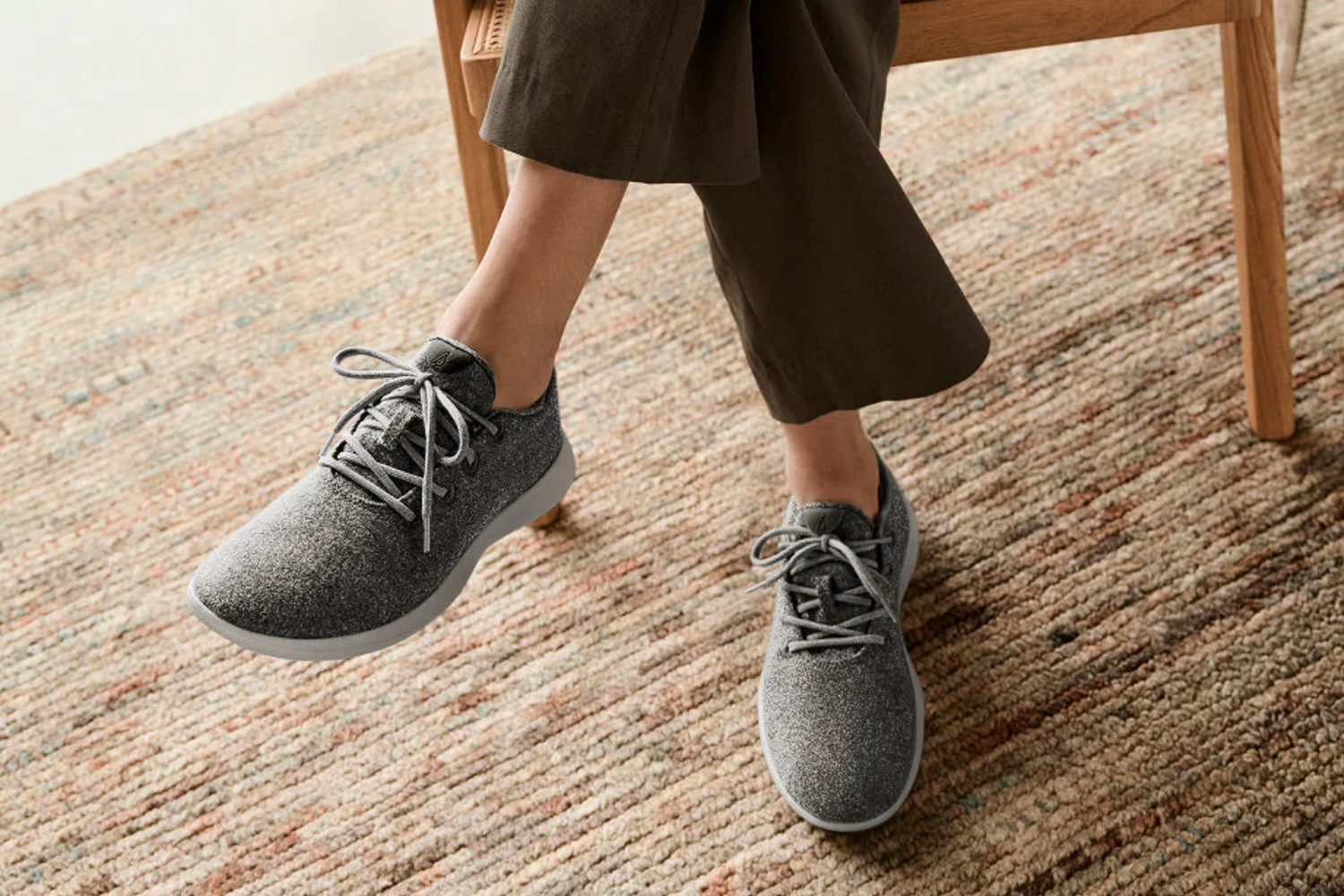
Image Source: Allbirds
Why does it cost more?
High-quality materials require better farming practices, eco-friendly production processes, and often higher upfront costs.
Natural, renewable resources and recycled materials have to be sourced responsibly, often from specialised suppliers.
In many cases, organic, recycled, or bio-based materials cost more than conventional alternatives because they require additional steps such as certification, traceability, specialised processing, and responsible sourcing. Costs vary by supplier and region, but low-impact materials generally reflect higher environmental and social standards.
Low Production Volume
Sustainable footwear brands typically produce shoes in small batches or on demand, which contrasts with the mass production methods used by fast fashion.
Real-life Example:
Nae Vegan Shoes, based in Portugal, operates with low-volume production. Their manufacturing processes are small-scale, with a focus on creating high-quality vegan footwear from materials like Piñatex (made from pineapple leaf fibres) and cork. This small-scale manufacturing reduces waste but also means the cost per shoe is higher than in a mass production setting.
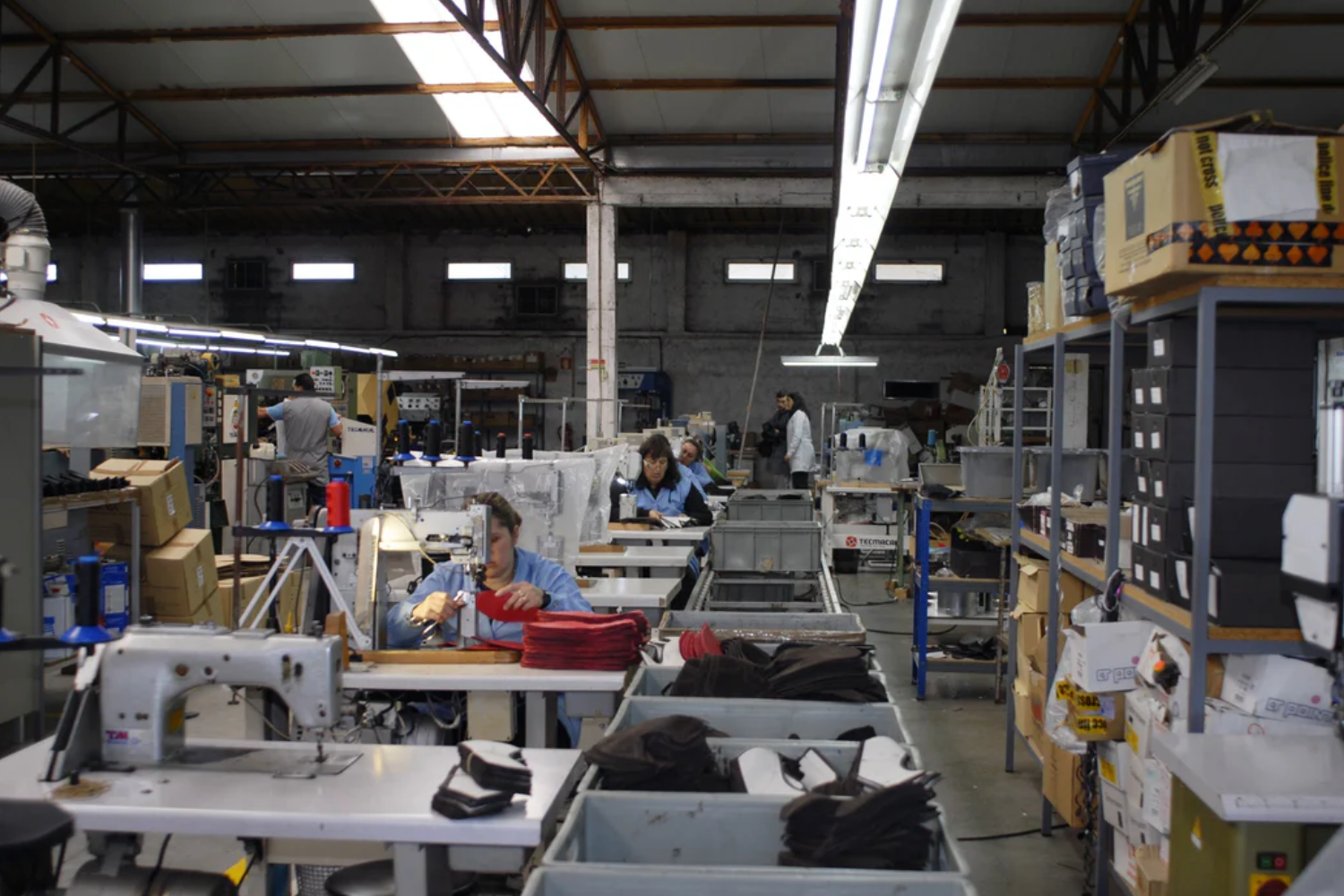
Image Source: Nae Vegan Shoes
Why does it cost more?
Smaller orders and limited runs typically result in higher per-unit costs because the factory can’t leverage the same economies of scale.
Smaller production volumes also mean there’s less automation and fewer cost-cutting measures.
This is especially evident in luxury vegan footwear brands like JW Anderson, where shoes are produced in smaller quantities and priced higher because the craftsmanship is also more involved.
Certifications and Transparency
Certifications and labels, such as Fair Trade, GOTS (Global Organic Textile Standard), and B Corp, require a significant amount of paperwork, audits, and monitoring to maintain.
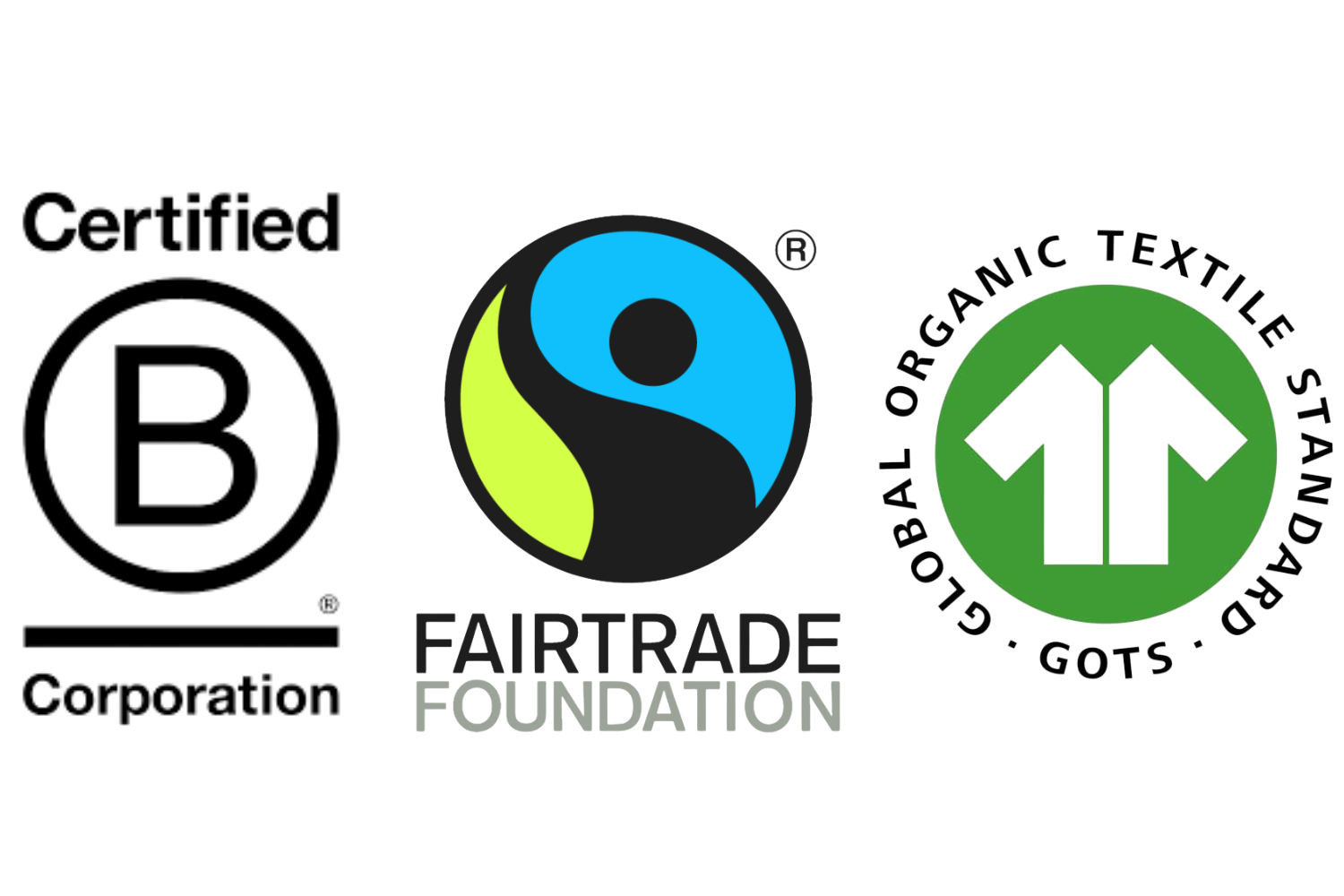
Real-life Example:
Flamingos' Life sneakers are made with organic and recycled materials, and the brand is certified by organisations like PETA for vegan practices and Global Recycled Standard for the recycled content in their products. These certifications add extra cost because brands have to pay for independent audits, compliance, and certification processes.
Why does it cost more?
Third-party certifications can be expensive for brands — sometimes as much as €5,000–€20,000 annually, depending on the scope.
To maintain certifications like Fair Trade or GOTS, companies have to ensure that their supply chains are constantly monitored, often involving extra reporting, management, and transparency efforts.
The Global Organic Textile Standard (GOTS), for example, is one of the most stringent certifications for sustainable apparel, and brands pursuing it must meet requirements that cover environmental, social, and chemical practices throughout the entire production chain.
P.S.: Certification costs vary significantly depending on company size, number of suppliers, and certification scope. While there is no universal fee, third-party certifications require independent audits, ongoing compliance checks, and administrative resources, which represent a meaningful investment — especially for small and medium-sized brands.
Durability and End-of-Life Cycle
Sustainable shoes are designed to last longer than cheap, fast-fashion alternatives. They often feature durable craftsmanship, and many brands offer repair services to extend the life of the product. Additionally, they design shoes with an end-of-life plan, such as being recyclable, biodegradable, or compostable.
[]
Real-life Example:
Brands like Patagonia (who also make footwear) are known for their lifetime guarantees and commitment to repairing rather than replacing. They also focus on using materials that are fully recyclable once the product has outlived its usefulness, like recycled wool and recycled rubber soles.
Why does it cost more?
Higher durability means using premium materials that cost more to produce but last longer in the consumer’s hands.
End-of-life management (like recycling programs) often involves partnerships with recycling companies and additional logistics — all adding cost to the production.
Research and Innovation
Innovation in sustainable footwear is key to improving performance and reducing environmental impact. Many sustainable brands invest in cutting-edge technologies, such as creating biodegradable soles or using plant-based leather alternatives, which require extensive research and development.

Image Source: The Business of Fashion
Real-life Example:
Womsh, an Italian sustainable brand, created Eco-friendly sneakers that incorporate zero-waste production methods. They also continue innovating with the use of bio-based materials like cactus leather, a product of years of research and development, and recycled materials that are designed to minimise both environmental and social impacts.
Why does it cost more?
R&D for new, eco-friendly materials and technologies requires significant investment — sometimes up to 5-10 times more than traditional materials.
Innovating around circular production (where materials are repurposed at the end of their life) often requires new methods, factories, and partnerships with research institutions.
The Bottom Line: Why It's Worth It
The higher cost of sustainable shoes is the result of ethically sourced materials, fair wages, long-lasting craftsmanship, and innovative technologies that take time, resources, and expertise to create. While it may seem like a hefty price tag upfront, you're investing in quality, longevity, and transparency — factors that will help protect our planet and support ethical labour in the long run.
By purchasing sustainable footwear, you're not just buying a pair of shoes — you're supporting an entire ecosystem of values that prioritises quality over quantity and sustainability over short-term profits.
Why do sustainable shoes cost more?
Sustainable shoes are often more expensive because they’re made using ethically sourced materials, fair labour, smaller production volumes, and more durable construction. The price reflects the true cost of responsible manufacturing.
Are sustainable shoes worth the higher price?
Yes — if you value durability, ethics, and environmental impact. Sustainable shoes tend to last longer and support fairer working conditions. While the upfront cost is higher, the long-term value and reduced harm make them a worthwhile choice for many.
Can sustainable shoes be affordable?
While many sustainable shoes are more expensive, some brands are working to offer more accessible options. Buying less often, choosing second-hand, or supporting emerging ethical brands can help you shop sustainably without overspending.


.png&w=3840&q=75)
.png&w=3840&q=75)


.png&w=3840&q=75)