

As the end of the year approaches, it’s natural to reflect, and often, that reflection includes our closets. For many, the New Year feels like the right time to clear space, reset, and make room for what comes next. But when it comes to shoes, especially old, worn-out pairs, the question becomes: what can you actually do with them, sustainably?

Here’s a guide to thoughtful, responsible ways to say goodbye to old shoes without sending them straight to the landfill.
Repair Before You Replace
Before deciding a pair is “done,” ask: Is it really at the end of its life, or just in need of care?
Many cobblers can replace soles, fix stitching, re-waterproof boots, or restore the shape of well-worn sneakers. Even minor repairs, like insole replacements or lace swaps, can add another season (or year) of wear. Supporting local shoe repair shops also keeps money in your community and reduces waste at the same time.
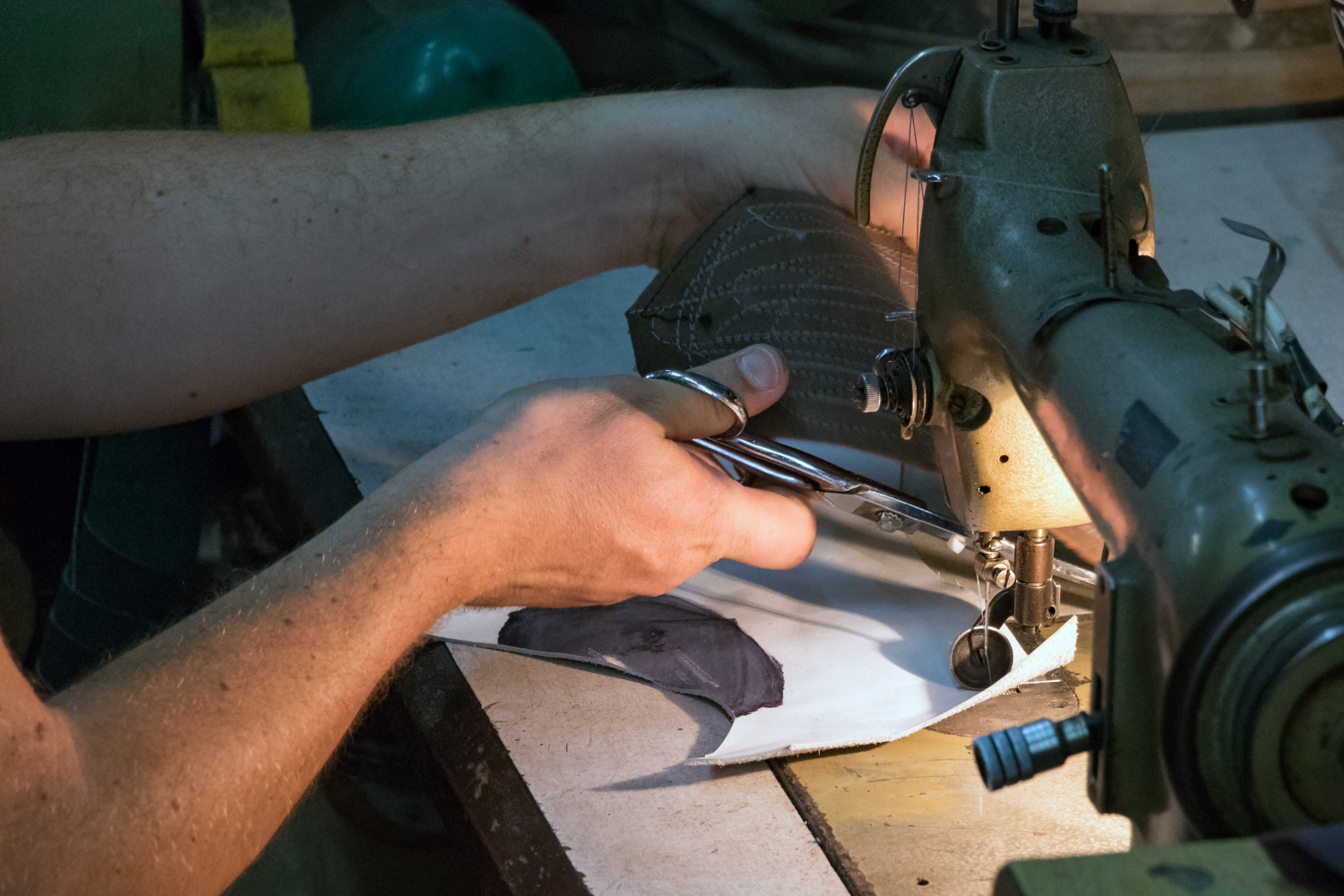
If a sustainable brand made your shoes, check whether they offer repair services. Some, like Vivobarefoot or Nisolo, are beginning to experiment with repair programs.
Donate — But Only If They’re Wearable
If your shoes are still in decent condition (clean, not damaged, and wearable), consider passing them on.
You can donate them to local charity shops, shelters, or community aid organisations. Some cities have dedicated drop-off bins for clothing and footwear, but make sure these are reputable and that items are actually reused, not exported as waste.
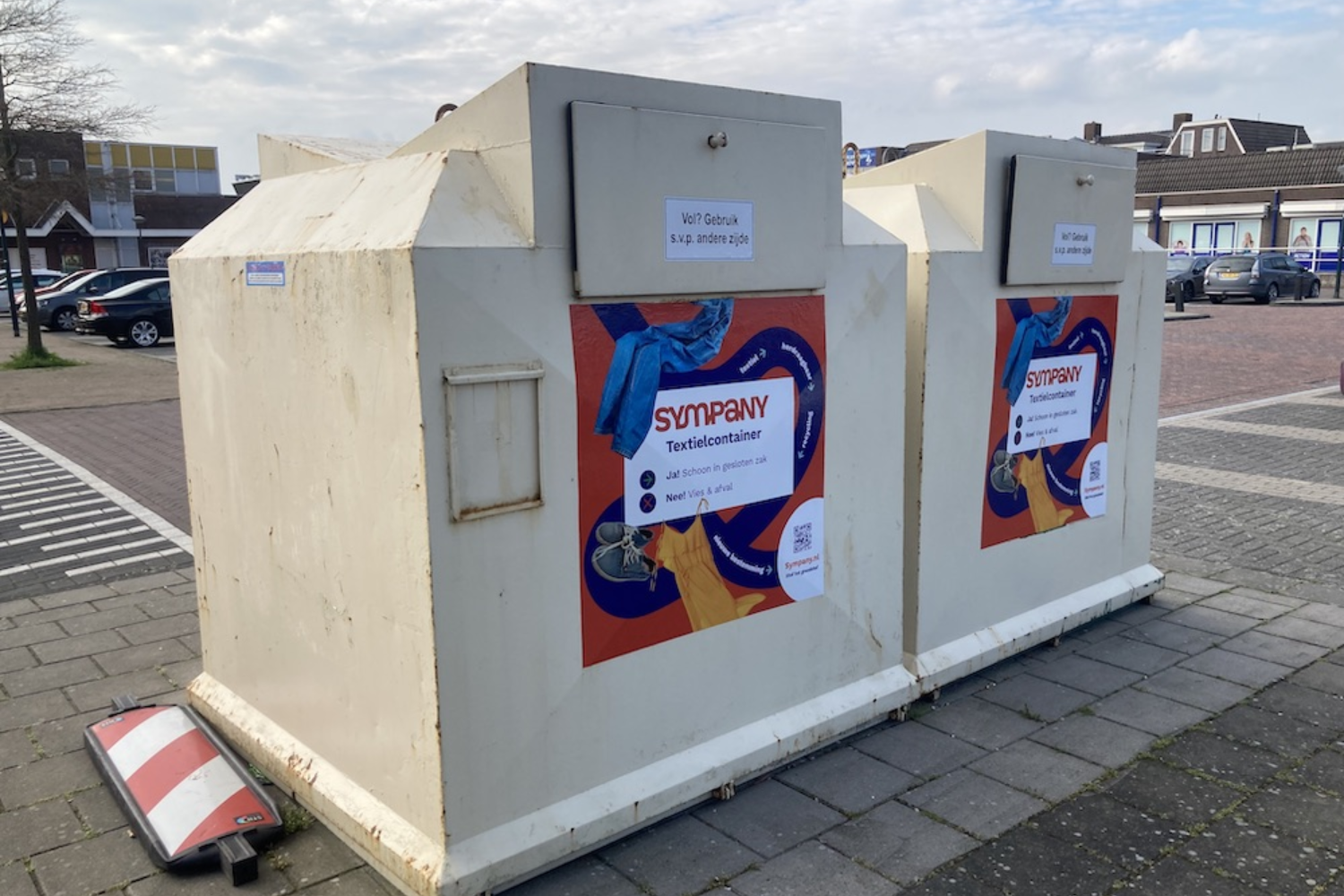
Image Source: DutchNews
Platforms like Vinted, Vestiaire Collective, or Local Vintage Stores are also good places to resell or gift second-hand shoes, especially if they’re from well-known or sustainable brands.
Explore Brand Take-Back Programs
A growing number of footwear companies now offer take-back or recycling programs, where they’ll accept your old shoes, often even if they’re from other brands.
Here are a few worth knowing:
Thousand Fell (US): Accepts all worn shoes from their line and recycles them through their closed-loop system.
Nike’s Reuse-A-Shoe: Available in select EU stores — turns old sneakers into playground material and sport surfaces.
Allbirds ReRun: In some regions, it accepts gently used pairs for resale.
TERRACYCLE: Offers hard-to-recycle shoe drop-off programs via select partners and brands.
Zalando Pre-Owned: Accepts lightly worn shoes and clothing from customers in exchange for store credit.
Always check eligibility and location restrictions before shipping.
Upcycle or Repurpose Creatively
If donation or recycling isn’t an option, get creative.
Old sneakers can become planters, storage containers, or even quirky art pieces. Leather shoes can be cut into patches, bracelets, or small accessories. Soles can be used as door stoppers or non-slip padding for heavy furniture.
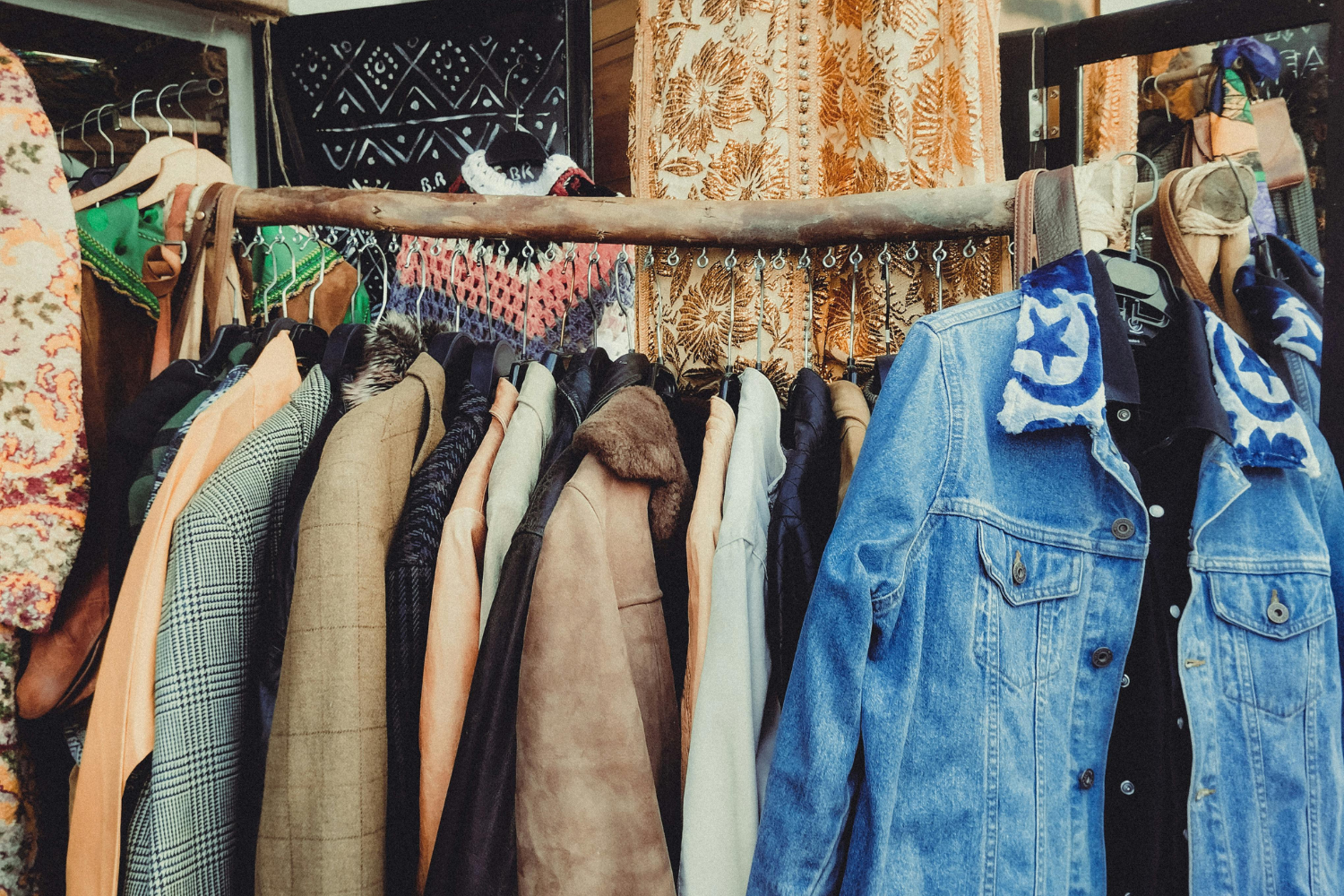
This approach isn’t about DIY perfection; it’s about avoiding landfill and rethinking value.
Check this article to learn more about upcycling, and if you are looking for some inspiration, read this one!
Dispose Responsibly (If You Must)
If your shoes are truly beyond repair or reuse, shredded, mouldy, or falling apart, disposal may be the only option. But even here, there are better choices than simply tossing them in your household bin.
In many EU countries, textile recycling drop-off points will accept shoes, even heavily worn ones. These programs often downcycle the materials into insulation, mats, or industrial fillers. Some cities also offer municipal textile collection during recycling days.
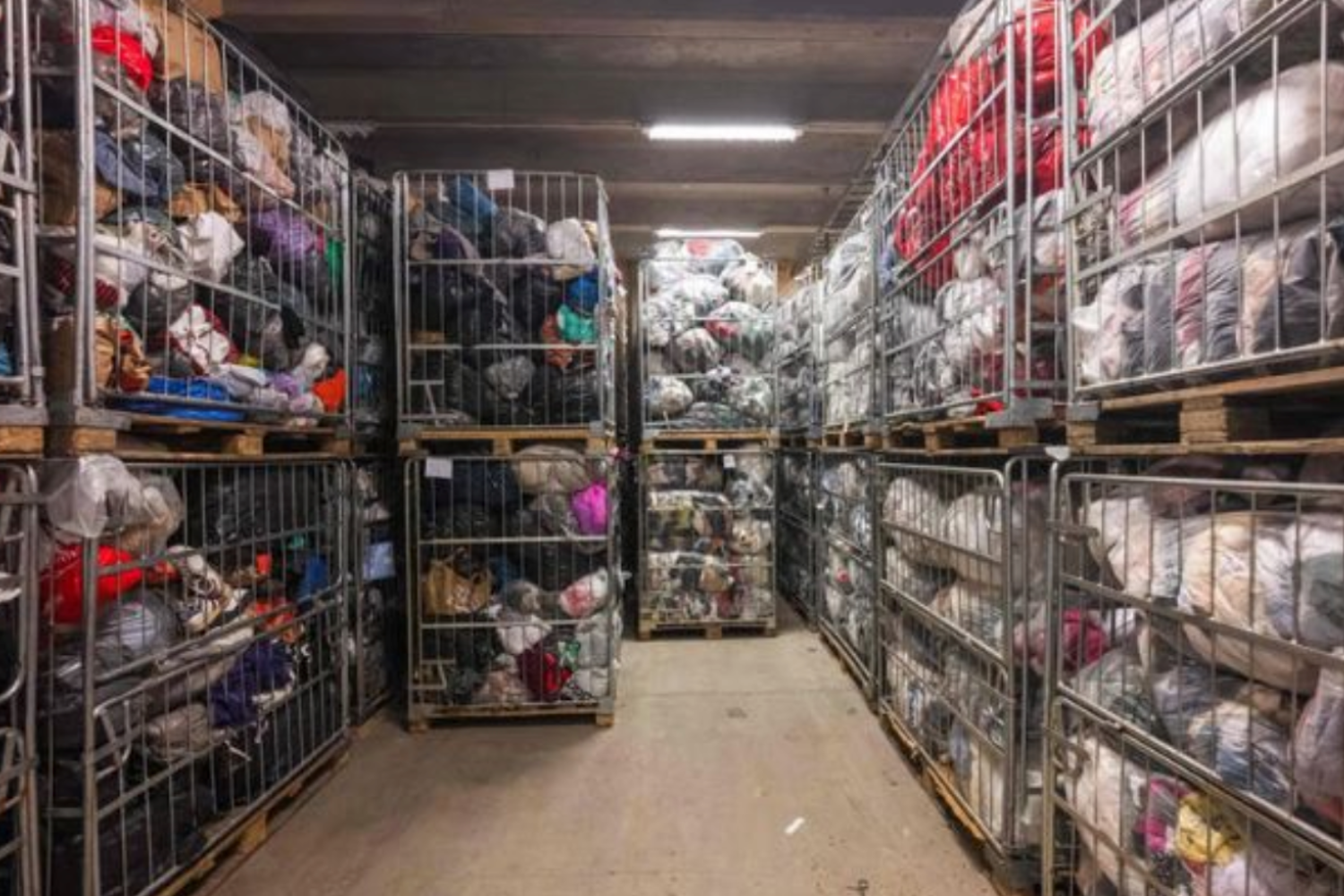
Image Source: Apparel Resources
Make sure to tie the shoes together and clearly mark them if required. Always check local regulations or waste sorting guides.
Start Fresh, End Consciously
The start of a new year often comes with new intentions, but clearing space shouldn't mean creating waste. By repairing, donating, recycling, or even creatively reusing your old shoes, you're keeping valuable materials in circulation and reducing your environmental footprint.
It’s a small shift. But it adds up, step by step.
What’s the most sustainable way to get rid of old shoes?
Repairing or reusing them is always the most sustainable option. If they can’t be repaired, donating, joining take-back programs, or textile recycling are great next steps.
Are there shoe recycling programs in Europe?
Yes. Some brands like Nike and Zalando offer take-back schemes in parts of the EU. Municipal textile recycling services may also accept worn-out shoes.
Can shoes go in textile recycling bins?
In many countries, yes, but they should be clean and tied together. Always check your local recycling guidelines to be sure.

.png&w=3840&q=75)

.png&w=3840&q=75)
.png&w=3840&q=75)