.png&w=3840&q=100)

Upcycled fashion is more than a buzzword; it's a response to the growing crisis of waste in the fashion industry. While recycling breaks materials down to be reprocessed (often with reduced quality), upcycling transforms old or discarded items into new pieces of equal or greater value — often with more character, craftsmanship, and creativity.
It’s a method that keeps materials in circulation without sending them “back to zero”, and as consumer awareness grows, more retailers are joining in.
If you want to learn more about upcycling, read this article!
Why Retailers Are Shifting Toward Upcycling
The traditional fashion system relies on fast production and overstock, which leads to enormous amounts of unsold inventory. Brands are beginning to realise: waste can become a resource. With upcycling, materials that once would have been trashed — fabric scraps, damaged stock, surplus textiles — can become limited-edition collections or entirely new lines.
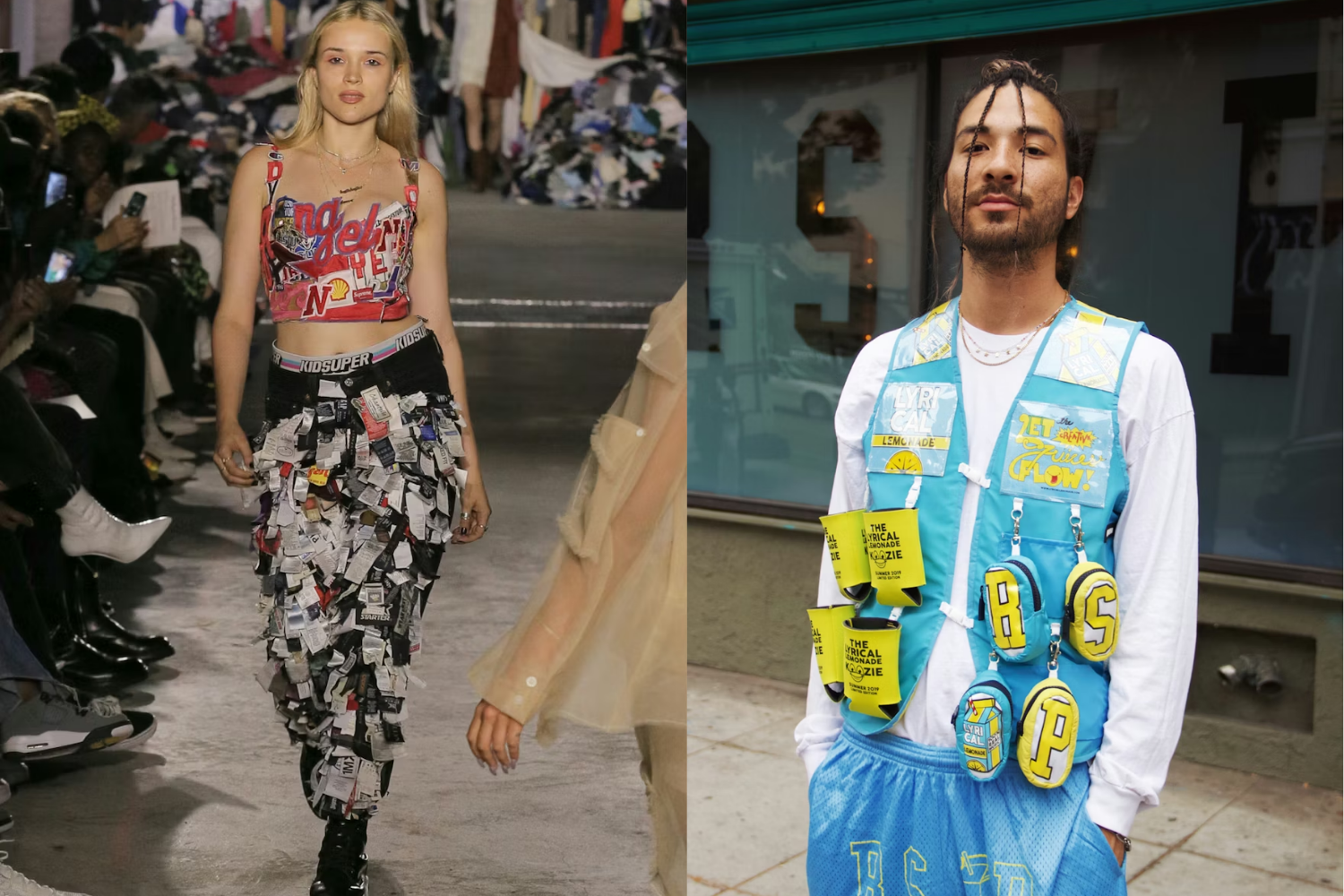
It’s not just a sustainability play, it’s also a storytelling opportunity. Each upcycled piece carries history, uniqueness, and visible intention.
About You Upcycling Approach
The German-based fashion platform About You has embraced upcycling as part of its broader sustainability strategy. A standout example is their collaboration with fashion design students and emerging brands, where they repurpose overstock and deadstock into fresh, streetwear-forward capsule collections.
Source: About You
In some campaigns:
Unsold pieces from past seasons are reworked into new silhouettes.
Leftover fabrics are turned into patchwork designs, especially in denim and outerwear.
Pieces are locally remade, often in small batches, reducing waste and emissions.
Their projects aren’t always loud about sustainability, and that’s the point. The design speaks first; the ethics follow.
Other Retailers Doing Upcycled Fashion Right
Here are a few more brands actively integrating upcycling into their DNA, not just as a trend, but as a core value:
RÆBURN (UK)
One of the pioneers in technical and military textile upcycling. Christopher Raeburn’s brand turns parachutes, combat jackets, and even life rafts into streetwear and outerwear. Every piece is high-concept but totally wearable.
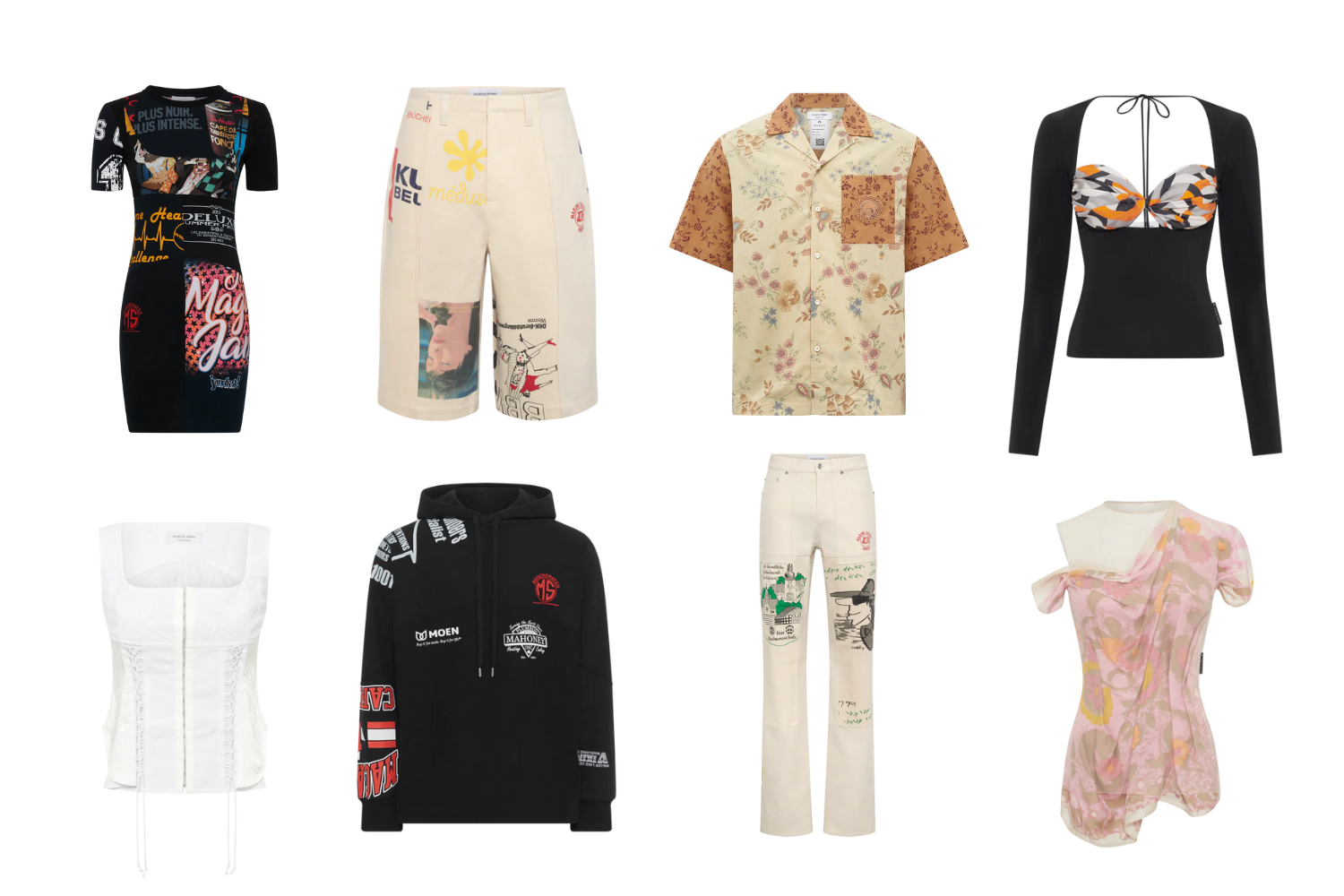
Marine Serre (France)
Known for combining luxury fashion with upcycled sportswear, bedsheets, and even vintage scarves. Her runway shows feature collections made from 100% repurposed textiles — and she’s been doing it long before it was cool.
Story mfg. (UK/India)
While not exclusively upcycled, many pieces are made from post-consumer waste fabrics or offcuts. Their slow fashion model blends natural dyes, handwork, and a love for imperfection.
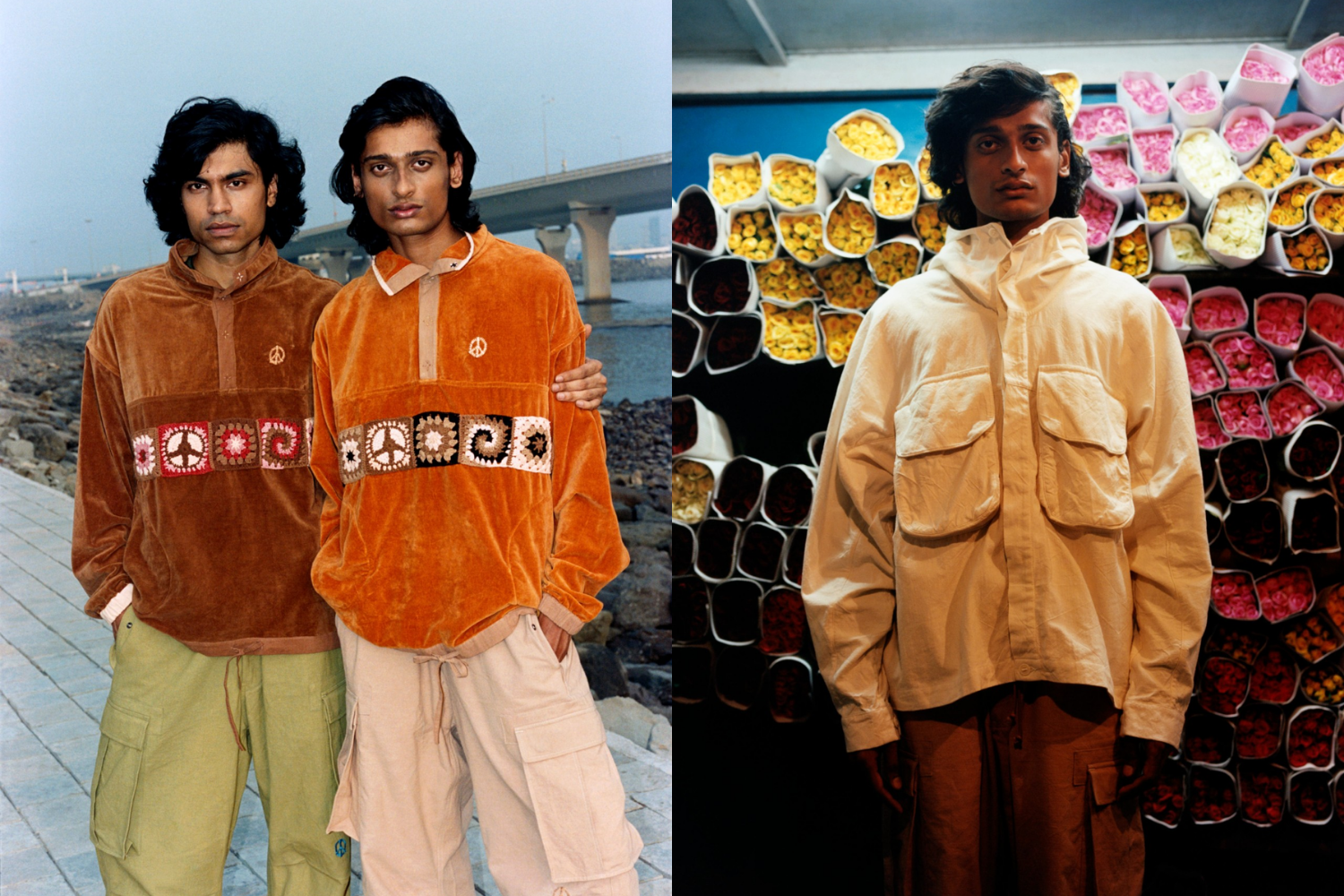
Source: Atmos Magazine
GANNI x Fabrics of the Future (Denmark)
GANNI is experimenting with upcycled capsule collections made from repurposed stock. Their commitment isn’t perfect, but it reflects a growing effort to rethink their production model.
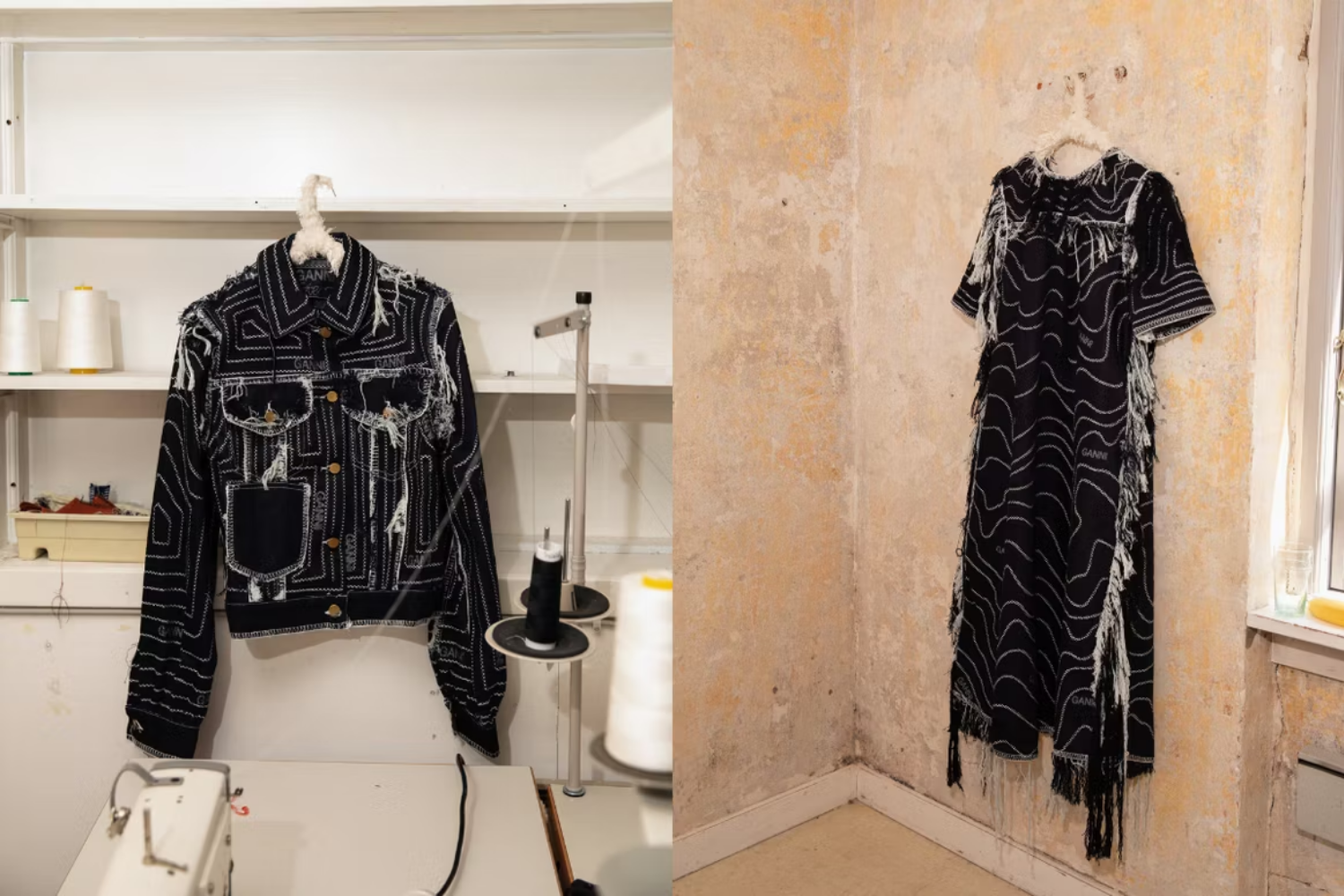
Source: Fashion United
RE/DONE (USA)
This brand specialises in reconstructing vintage Levi’s and other classic denim into new shapes — keeping the original materials but updating the fit for modern wearers.
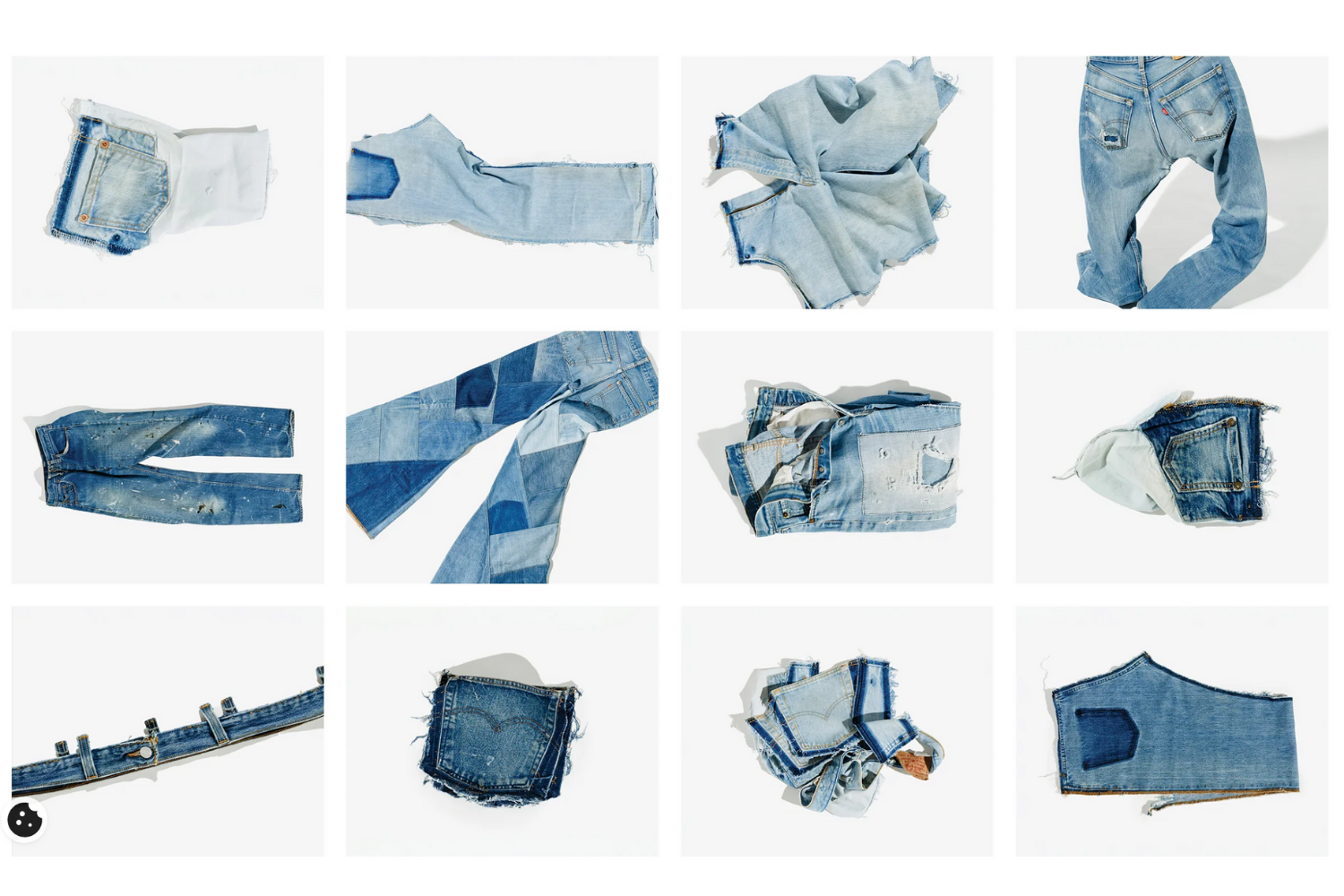
Source: RE/DONE
Why It Matters
Reduces landfill waste and extends the life of existing textiles
Avoids new resource extraction, which lowers emissions and water use
Supports craftsmanship and slows down the production cycle
Invites consumers to rethink what “new” really means
Upcycled fashion is not just more sustainable — it’s often more creative, more local, and more human.
Final Thoughts
As fast fashion faces increasing scrutiny, upcycling offers a meaningful and tactile way forward — one that transforms excess into value. Brands like About You and others are proving that we don’t need to manufacture from scratch to create beautiful, desirable clothing.
When you support upcycled fashion, you’re not just making a style choice, you’re helping rewrite the story of what fashion can be.
What is upcycled fashion?
Upcycled fashion refers to garments or accessories made from existing materials such as textile waste, overstock, or vintage items — redesigned into new products without breaking them down entirely like recycling does.
Is upcycled clothing high quality?
Yes — in many cases, it’s more durable and unique. Since upcycled pieces are often handmade or small batch, they reflect higher craftsmanship and attention to detail than mass-produced clothing.
Can upcycled fashion be stylish and modern?
Absolutely. Designers like Marine Serre and RÆBURN have built entire brands on upcycled aesthetics, blending streetwear, tailoring, and couture in ways that feel both fresh and fashion-forward.


.jpg&w=3840&q=75)