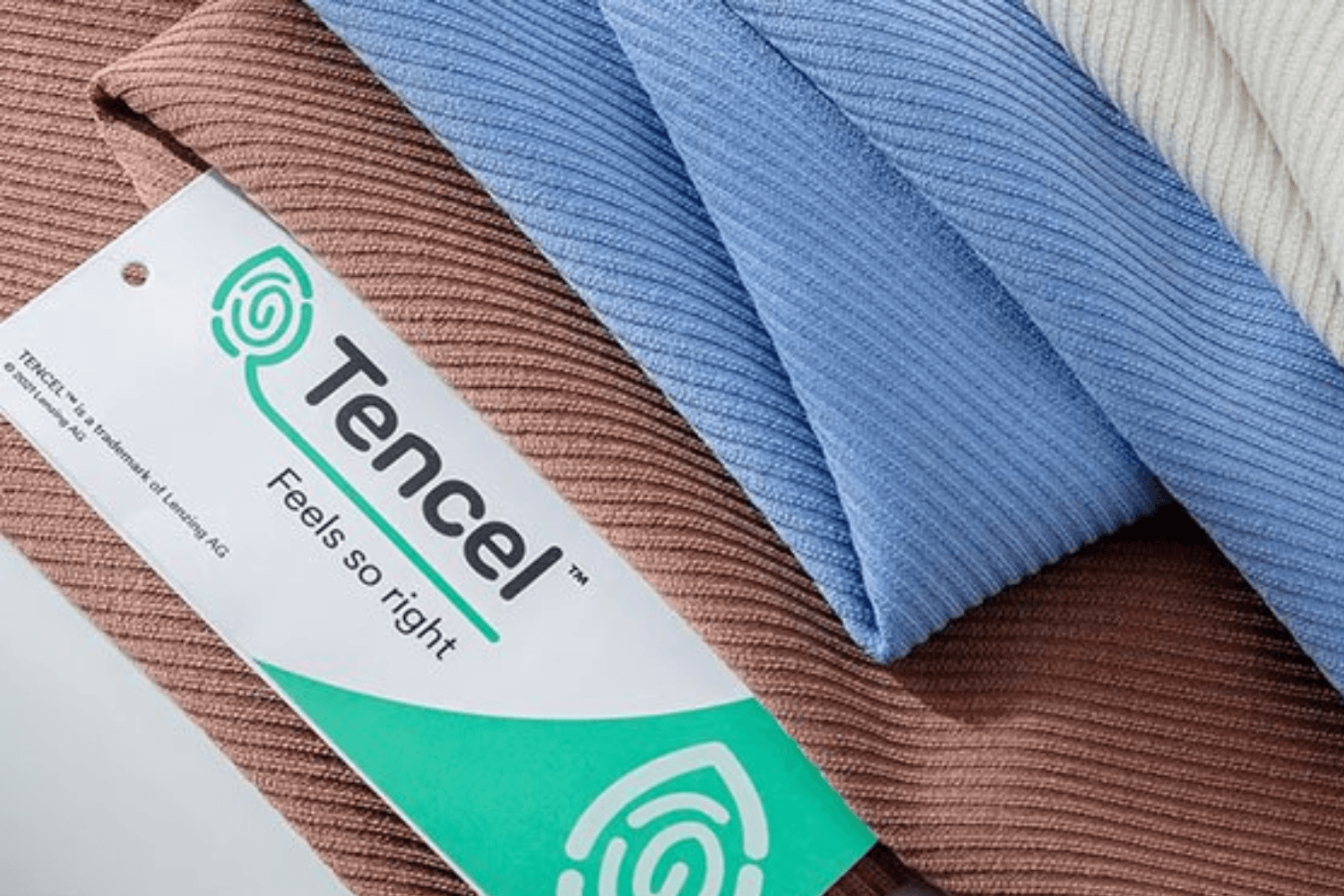

In fashion, sustainability often gets reduced to a label on a tag. “Eco.” “Green.” “Natural.” But the real story begins much earlier — at the level of raw materials. Before a garment becomes a silhouette or a trend, it is a fibre. And fibres shape more of fashion’s impact than most people realise.
TENCEL™ Lyocell is one of those materials that quietly changes the rules. It doesn’t promise perfection. It offers a different system.
What TENCEL™ Lyocell Actually Is
TENCEL™ Lyocell is a man-made cellulosic fibre produced from wood pulp, typically sourced from sustainably managed forests. Unlike conventional viscose or rayon, which often involve high chemical waste and unclear forestry practices, this fibre is made in a closed-loop process.

That means the solvent used to transform wood into fibre is recovered and reused, over and over again. Water is cycled back into the system. Waste is minimised by design.
It’s still an industrial process. But it treats resources as something to circulate, not discard.
Why Materials Matter More Than Trends
A brand can release a “conscious collection,” offset emissions, or launch a take-back program. But if its core materials remain resource-intensive, the impact stays locked in at the root.
Cotton can be water-heavy. Polyester is fossil-based. Traditional viscose is linked to deforestation and chemical runoff.
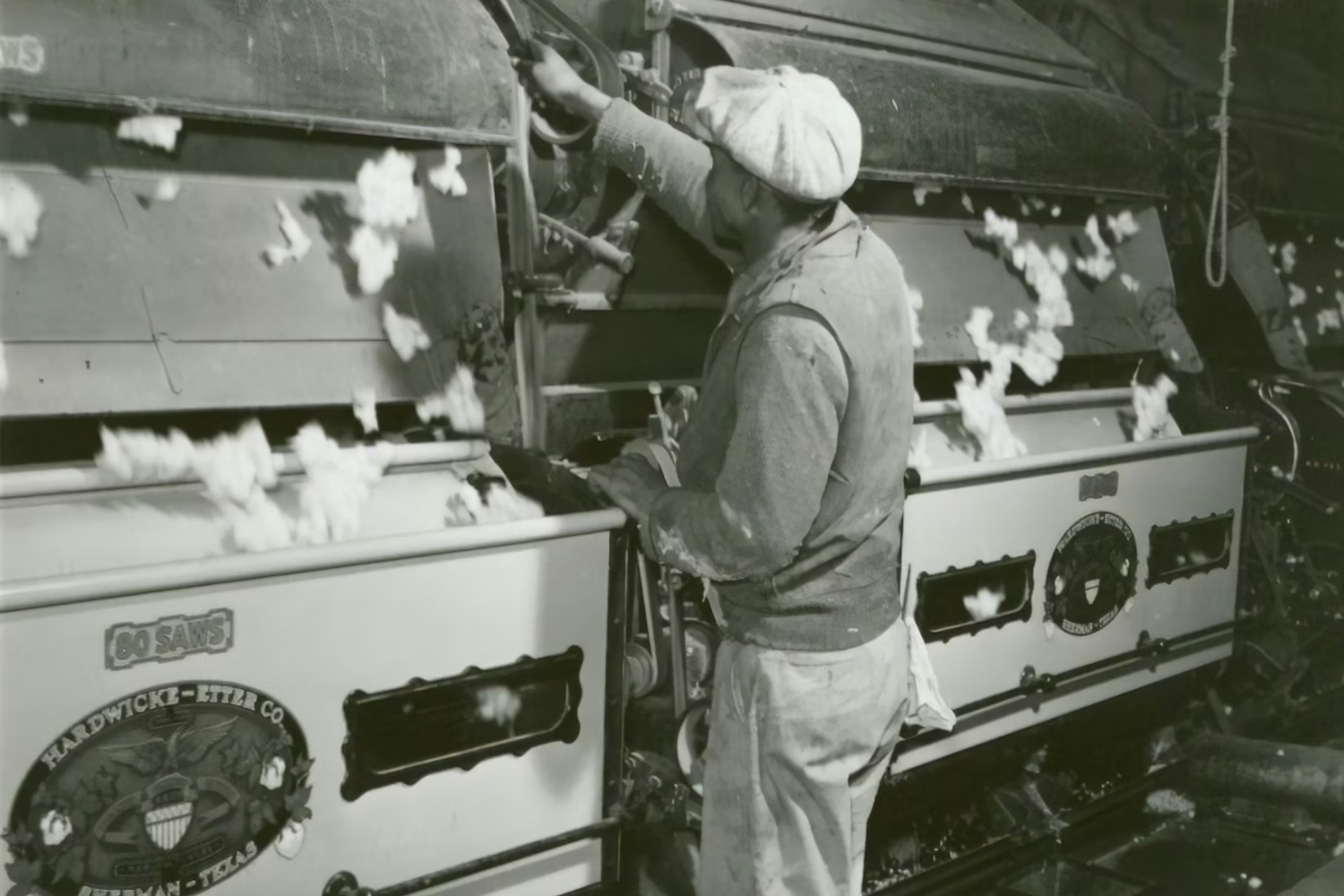
1939 - Removing the seed from cotton gin on Hopson Plantation; Clarksdale, Mississippi
TENCEL™ Lyocell sits in a different category. It shows that fibres can be:
Plant-based
Low in water use
Produced with chemical recovery
Consistent in quality and performance
This is not about swapping one “good” fabric for another. It’s about changing how we think of textiles, from extractive inputs to engineered systems with accountability.
How It Feels (and Why That Matters)
Sustainability only works if people actually wear the clothes.
TENCEL™ Lyocell is known for being soft, breathable, and smooth against the skin. It drapes easily. It absorbs moisture efficiently. It’s often used in:
T-shirts and underwear
Loungewear and sleepwear
Dresses and blouses
Linings and blends
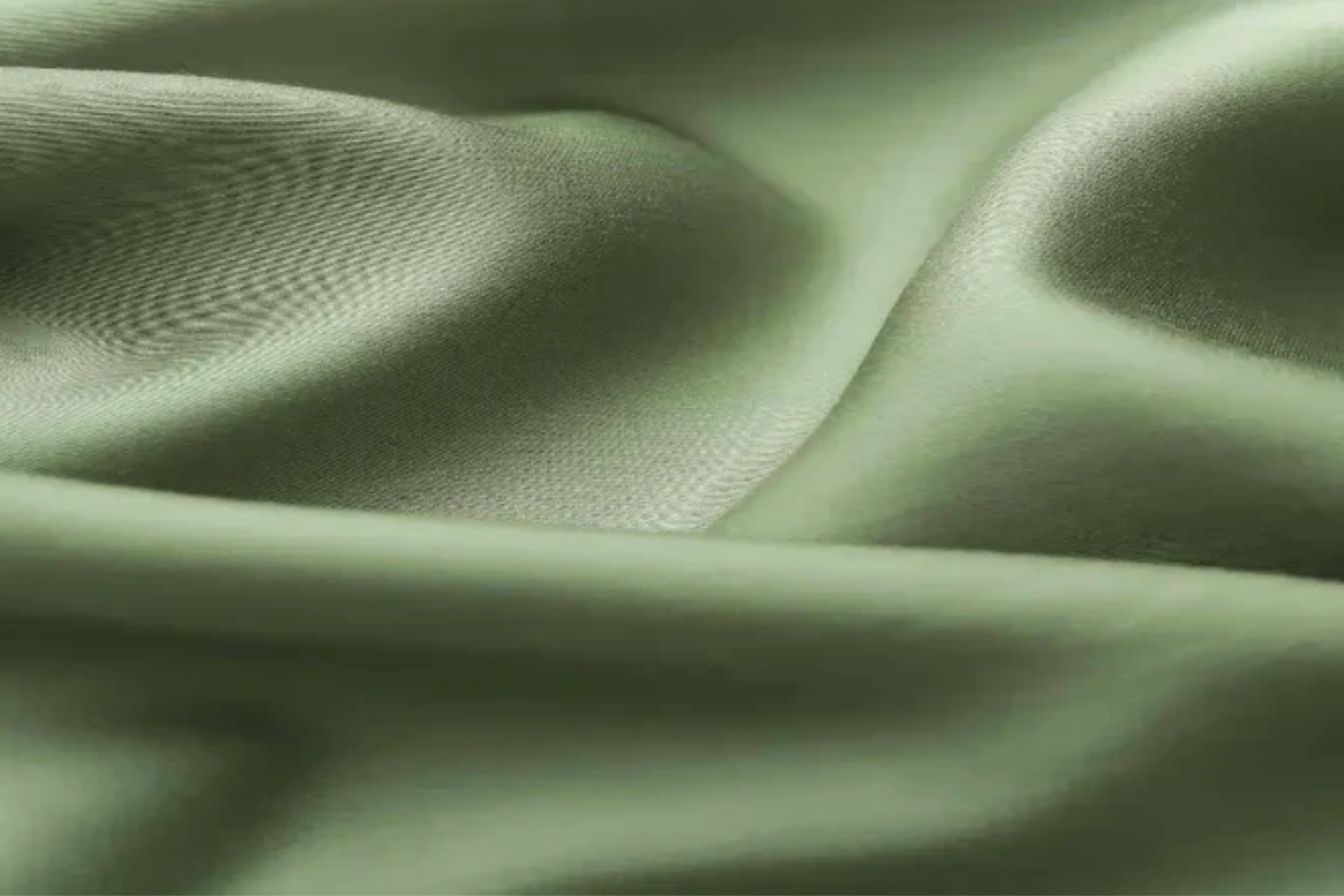
Image Source: Altramoda
That sensory comfort is part of its impact. When a fabric feels good, it’s more likely to be worn, kept, and valued. Longevity begins with touch.
Not a Miracle Fabric — A Better System
TENCEL™ Lyocell is not impact-free. Trees still need to be grown. Energy is still used. The fibre is often blended with other materials, which can complicate recycling.
What makes it different is transparency and process.
The fibre is traceable. The production method is documented. The trade-offs are acknowledged.
It represents a shift from “natural vs. synthetic” toward something more honest: materials as systems.
What to Look for as a Consumer
When you see TENCEL™ Lyocell on a label, it signals more than softness. It suggests that a brand has made a deliberate choice at the material level.
Questions worth asking:
Is the fibre certified and traceable?
Is it used as a core material or just a small blend?
Does the brand explain why it chose it?
Sustainable fashion doesn’t start with a trend forecast. It starts with what clothes are made of.
And sometimes, change looks like a quiet fibre doing its job better.
Is TENCEL™ Lyocell the same as viscose?
It’s part of the same fiber family but produced differently. Unlike most viscose, TENCEL™ Lyocell is made in a closed-loop system that recovers and reuses solvents.
Is TENCEL™ Lyocell biodegradable?
Yes, the fiber is biodegradable under the right conditions, as it’s made from cellulose.
Is TENCEL™ Lyocell better than cotton?
It uses less water and chemicals in production than conventional cotton. “Better” depends on context, but it generally has a lower environmental footprint.
Does TENCEL™ Lyocell last?
Yes. It’s strong, smooth, and holds shape well, especially when blended with other fibers.
.png&w=3840&q=75)


.png&w=3840&q=75)
.png&w=3840&q=75)